

Mushroom growing courses for the UK, from first grow to small farm
Learn to grow mushrooms with live online classes taught by working growers and lab specialists. Start with oyster mushrooms in a British kitchen or plan a small commercial farm supplying local restaurants and markets: the method is the same, only the scale changes.
What you learn on a mushroom growing course
Every cultivated mushroom follows the same basic cycle, and a good course teaches you to control each step:
- Culture and spawn: a clean culture of the fungus is multiplied on grain or sawdust to make spawn.
- Substrate: straw, sawdust, hardwood logs, spent coffee grounds or other residues are prepared and pasteurised or sterilised.
- Colonisation: the mycelium grows through the substrate in clean, controlled conditions.
- Fruiting: humidity, fresh air, light and temperature trigger the mushrooms.
- Harvest and storage: picking at the right moment and keeping mushrooms fresh.
Contamination, pests and yield problems are part of every grower's life, so diagnosis is taught throughout.
Which mushrooms to grow first in the UK
- Oyster mushrooms are the classic first grow: fast, forgiving and happy on pasteurised straw or coffee grounds, which many UK urban farms collect from cafés.
- Shiitake grows outdoors on hardwood logs such as oak, which suits the damp British climate, or indoors on supplemented sawdust blocks.
- Lion's mane is popular with chefs. Wild lion's mane is protected in Britain under the Wildlife and Countryside Act 1981, so all lion's mane for the kitchen must come from cultivation.
- Wine caps and other garden species can be grown in beds, but the British Mycological Society advises against outdoor cultivation of non-native species or strains.
Most UK homes are cool for much of the year, so a simple heated, ventilated space often makes the difference between slow and reliable crops.
From hobby to small mushroom farm in the UK
Many growers start at home and later want to sell to restaurants, farmers' markets, veg box schemes or shops. That step needs reliable spawn, a grow room with controlled climate, a weekly production plan and good records. It also brings legal duties:
- register as a food business with your local authority at least 28 days before you start trading; registration is free and can't be refused;
- put in place food safety procedures based on HACCP principles;
- register as self-employed with HMRC or set up a company;
- check planning permission and business rates if you convert a barn, garage or unit;
- manage spore exposure and other health and safety risks in fruiting rooms.
Our business programmes cover planning, costing, food safety and sales in detail.
How the online cultivation courses work
Courses have 6 modules over 2–3 months and are taught live in small groups by people who grow mushrooms professionally. You are encouraged to grow along at home with simple equipment, so each module turns into practice and you can bring photos of your results and problems to the live sessions. Recordings, readings and exercises are on the virtual campus. Diplomas and masters go further into lab work, strain selection, farm design and business management, and every programme ends with a final project and a Fungaris certificate. Students across the UK join from cities, villages and farms, and the live format makes it easy to compare results grown in very different conditions, from heated flats to unheated sheds.
Learn it live with a professional.
Explore them one by one.
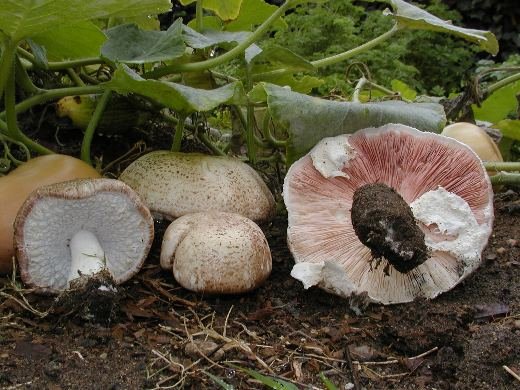 EdibleAlmond mushroomAgaricus subrufescensGilled mushrooms
 EdibleBeech mushroomHypsizygus tessellatusGilled mushrooms
 EdibleBlack truffleTuber melanosporumTruffles
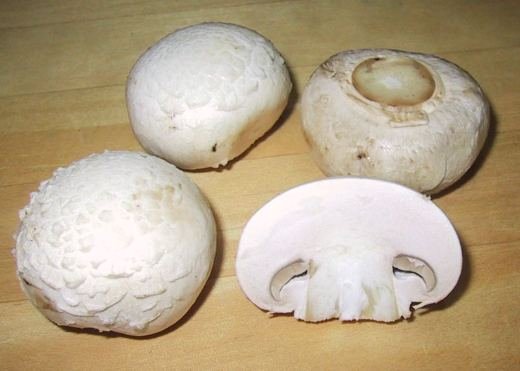 EdibleButton mushroomAgaricus bisporusGilled mushrooms
 EdibleCoral tooth fungusHericium coralloidesTooth fungi
 EdibleEnoki mushroomFlammulina filiformisGilled mushrooms
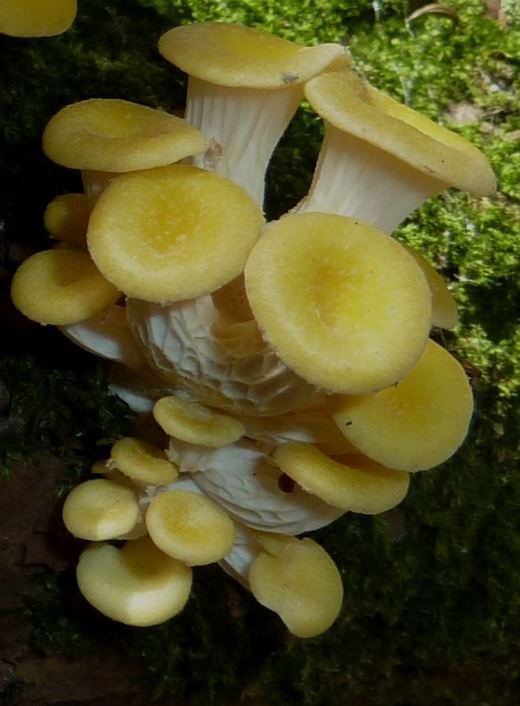 EdibleGolden oyster mushroomPleurotus citrinopileatusGilled mushrooms
 EdibleJelly earAuricularia auricula-judaeJelly fungi
 EdibleKing oyster mushroomPleurotus eryngiiGilled mushrooms
 EdibleLion's maneHericium erinaceusTooth fungi
 EdibleMaitakeGrifola frondosaPolypores and brackets
 EdibleNamekoPholiota microsporaGilled mushrooms
 EdibleOyster mushroomPleurotus ostreatusGilled mushrooms
 EdiblePaddy straw mushroomVolvariella volvaceaGilled mushrooms
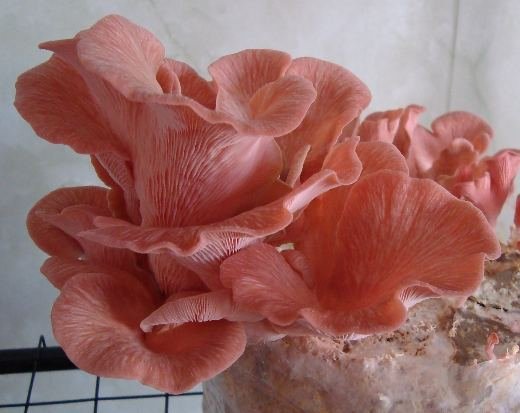 EdiblePink oyster mushroomPleurotus djamorGilled mushrooms
 EdiblePioppinoCyclocybe aegeritaGilled mushrooms
 Not a foodReishiGanoderma lingzhiPolypores and brackets
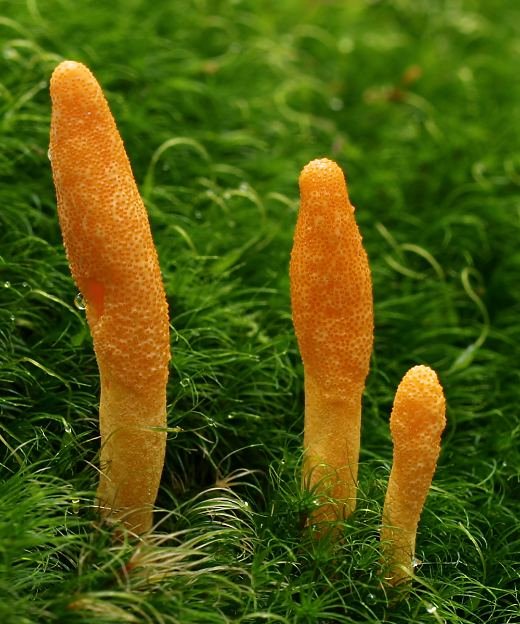 Edible with cautionScarlet caterpillar clubCordyceps militarisOther fungi
 EdibleShaggy ink capCoprinus comatusGilled mushrooms
 EdibleSheathed woodtuftKuehneromyces mutabilisGilled mushrooms
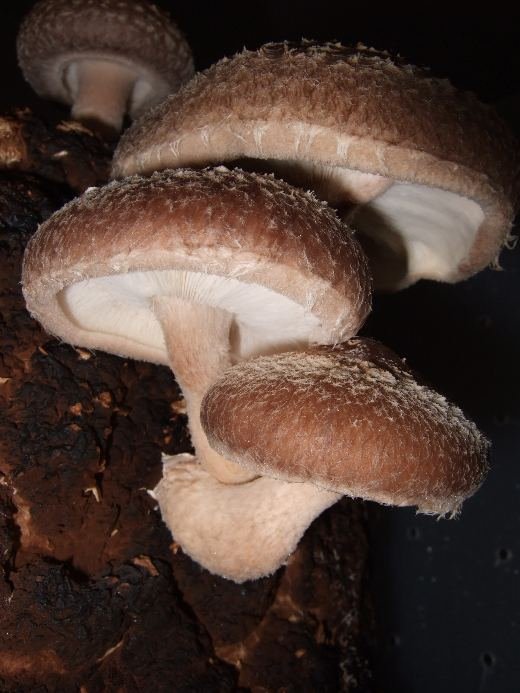 EdibleShiitakeLentinula edodesGilled mushrooms
 EdibleSnow fungusTremella fuciformisJelly fungi
 EdibleSummer oyster mushroomPleurotus pulmonariusGilled mushrooms
 EdibleSummer truffleTuber aestivumTruffles
 EdibleWhite truffleTuber magnatumTruffles
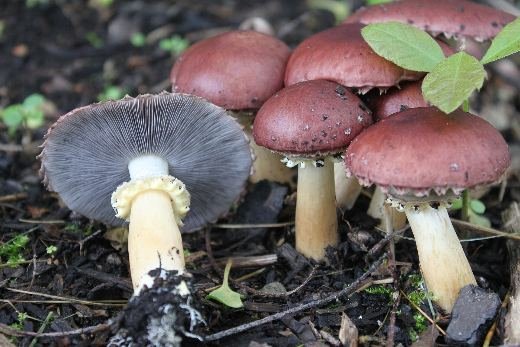 EdibleWine capStropharia rugosoannulataGilled mushrooms
 Edible with cautionYellow morelMorchella esculentaMorels and cup fungi
Questions and answers
Can I learn mushroom growing online from the UK?
Yes. The principles, techniques and diagnosis of problems are taught very well in live online classes, especially if you grow along at home and bring photos of your results.
Do I need a laboratory to start?
No. Oyster mushrooms on pasteurised straw or shiitake on logs can be grown without a lab. Sterile technique and agar become important when you want to make your own spawn.
Which mushroom is easiest for beginners in the UK?
Oyster mushrooms are usually the easiest first grow because they colonise quickly and tolerate small mistakes, even in cool British homes.
Do I need permission to sell the mushrooms I grow in the UK?
You must register as a food business with your local authority at least 28 days before trading. Registration is free, and you also need food safety procedures and correct labelling.
Will I get a certificate?
Yes, you receive a Fungaris certificate after completing the programme and its final project. It is issued by Fungaris and is not a regulated UK qualification.
Join the next intake.
Pay in full with a 20% reduction, or reserve your place with 40% and pay the rest in monthly instalments. All prices are stated in pounds sterling (GBP).