

Edible mushrooms in the UK: what to know before you pick
Ceps, chanterelles, parasols and St George's mushrooms are among the most prized wild foods in Britain and Ireland, but each has lookalikes that can make you seriously ill. This page explains what makes a mushroom edible, which mistakes are most common in the UK and how to learn safely.
What makes a mushroom edible
Whether a mushroom is safe to eat depends on more than its name. First, the species must be identified with complete certainty. Second, the specimen must be fresh, firm and free of mould or insect damage; old mushrooms spoil like any other food. Third, most wild mushrooms must be thoroughly cooked, and some cause reactions in a minority of people even when correctly identified. Finally, where a mushroom grows matters: avoid busy roadsides, polluted sites and lawns treated with chemicals.
Well-known edible mushrooms in Britain and Ireland
- Spring: St George's mushroom, often appearing around 23 April, and morels, both with dangerous lookalikes.
- Summer and autumn: the cep or penny bun and other boletes, chanterelles, parasols, wood hedgehogs, giant puffballs and the horn of plenty.
- Late autumn and winter: wood blewits, trumpet chanterelles and velvet shank.
- On wood: oyster mushrooms, chicken of the woods, beefsteak fungus and jelly ear.
- Grassland: field mushrooms, fairy ring champignons and shaggy inkcaps.
Some edible species are rare or protected in the UK. Lion's mane, known here as the bearded tooth, is listed on Schedule 8 of the Wildlife and Countryside Act 1981 and must not be picked.
Dangerous lookalikes in the UK
Most serious poisonings happen when an edible mushroom is confused with a toxic one that looks similar. Classic British pairs include:
- Field mushrooms with the death cap, the destroying angel and the yellow stainer.
- Parasols with small, deadly Lepiota species.
- Chanterelles with the false chanterelle and, in Scottish conifer woods, the deadly webcap.
- St George's mushroom with the deadly fibrecap and the livid pinkgill.
- Fairy ring champignons with the ivory funnel, which can grow in the same lawn.
- Sheathed woodtuft and velvet shank with the deadly funeral bell.
- Morels with the false morel.
- Puffballs with earthballs and young amanita buttons.
Golden rules and UK foraging law
- Pick only what you can identify with complete certainty, and leave everything else.
- Never eat a wild mushroom that has only been identified online, from a photo or with an app. Have your finds checked in person by an experienced expert, for example through a local fungus group.
- Collect whole specimens, keep species separate and try only a small portion of a new species.
In England and Wales, picking wild mushrooms for your own use is not theft under the Theft Act 1968, but picking for sale or other commercial purposes is. Northern Ireland has an equivalent rule, and in Scotland customary picking for your own consumption is accepted under the Scottish Outdoor Access Code. Uprooting fungi without permission can be an offence, picking is not allowed in the New Forest or Epping Forest, and you should not forage on SSSIs or nature reserves without consent.
Learning to recognise edible mushrooms
Reliable identification is a skill built with method and practice. Our foraging and culinary courses teach you to read the features that matter, recognise the dangerous genera first and use keys correctly, and they encourage you to practise in the field with experienced local foragers and fungus groups. They prepare you to learn safely, not to skip expert checks.
Learn it live with a professional.
Explore them one by one.
Never eat a wild mushroom identified only from a website, a book or an app. Have every find checked in person by an expert, such as a mycological society. If you suspect mushroom poisoning, call 999 in an emergency or NHS 111 for urgent advice straight away, even before symptoms appear, and keep the remains of the mushrooms.
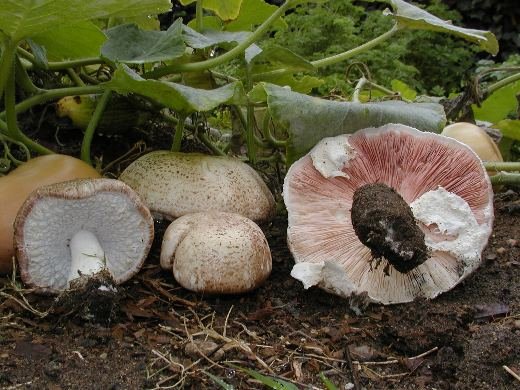 EdibleAlmond mushroomAgaricus subrufescensGilled mushrooms
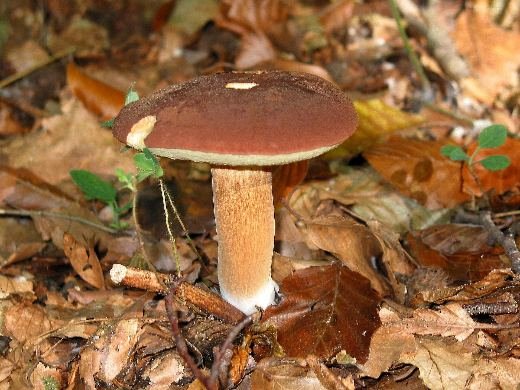 EdibleBay boleteImleria badiaBoletes
 EdibleBeech mushroomHypsizygus tessellatusGilled mushrooms
 EdibleBeefsteak fungusFistulina hepaticaPolypores and brackets
 EdibleBlack truffleTuber melanosporumTruffles
 Edible with cautionBlue cheese mouldPenicillium roquefortiMoulds, yeasts and microfungi
 EdibleBrewer’s and baker’s yeastSaccharomyces cerevisiaeMoulds, yeasts and microfungi
 EdibleBronze boleteBoletus aereusBoletes
 EdibleBrown birch boleteLeccinum scabrumBoletes
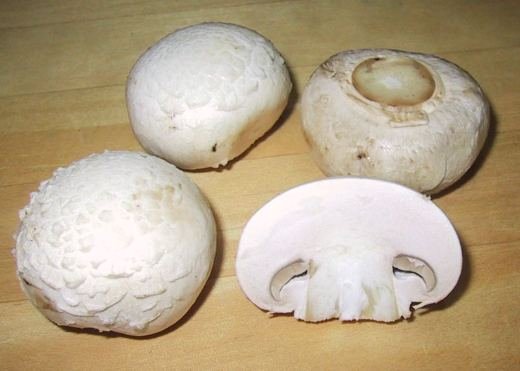 EdibleButton mushroomAgaricus bisporusGilled mushrooms
 EdibleCaesar's mushroomAmanita caesareaGilled mushrooms
 EdibleCauliflower fungusSparassis crispaCoral fungi
 EdibleChanterelleCantharellus cibariusChanterelles
 EdibleCharcoal burnerRussula cyanoxanthaGilled mushrooms
 Edible with cautionChicken of the woodsLaetiporus sulphureusPolypores and brackets
 EdibleCoral tooth fungusHericium coralloidesTooth fungi
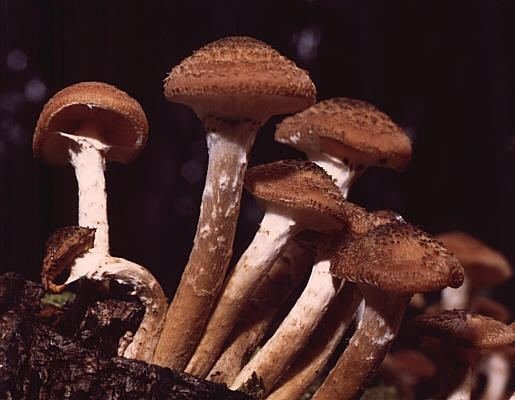 Edible with cautionDark honey fungusArmillaria ostoyaeGilled mushrooms
 EdibleEnoki mushroomFlammulina filiformisGilled mushrooms
 EdibleFairy ring champignonMarasmius oreadesGilled mushrooms
 EdibleGiant puffballCalvatia giganteaPuffballs and earthballs
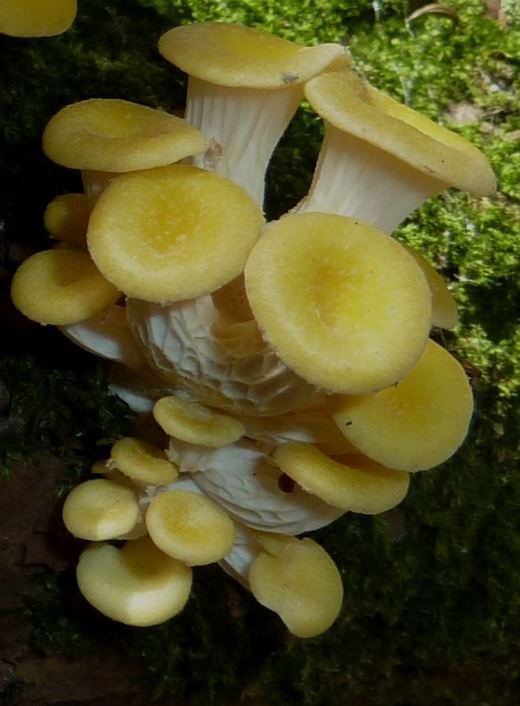 EdibleGolden oyster mushroomPleurotus citrinopileatusGilled mushrooms
 EdibleGypsy mushroomCortinarius caperatusGilled mushrooms
 EdibleHedgehog mushroomHydnum repandumTooth fungi
 EdibleHorn of plentyCraterellus cornucopioidesChanterelles
 EdibleJelly earAuricularia auricula-judaeJelly fungi
 EdibleKing oyster mushroomPleurotus eryngiiGilled mushrooms
 EdibleKoji mouldAspergillus oryzaeMoulds, yeasts and microfungi
 EdibleLion's maneHericium erinaceusTooth fungi
 EdibleMaitakeGrifola frondosaPolypores and brackets
 EdibleMarch mushroomHygrophorus marzuolusGilled mushrooms
 EdibleMatsutakeTricholoma matsutakeGilled mushroomsEdibleMycoprotein fungusFusarium venenatumMoulds, yeasts and microfungi
 EdibleNamekoPholiota microsporaGilled mushrooms
 EdibleOyster mushroomPleurotus ostreatusGilled mushrooms
 EdiblePaddy straw mushroomVolvariella volvaceaGilled mushrooms
 EdibleParasol mushroomMacrolepiota proceraGilled mushrooms
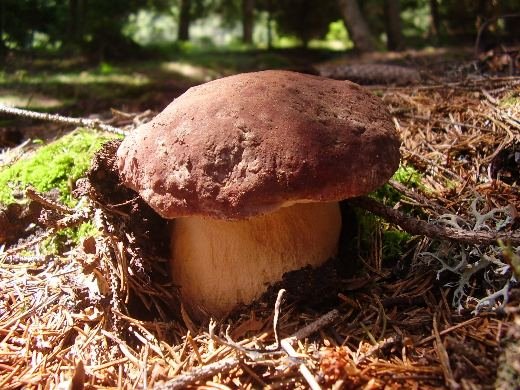 EdiblePine boleteBoletus pinophilusBoletes
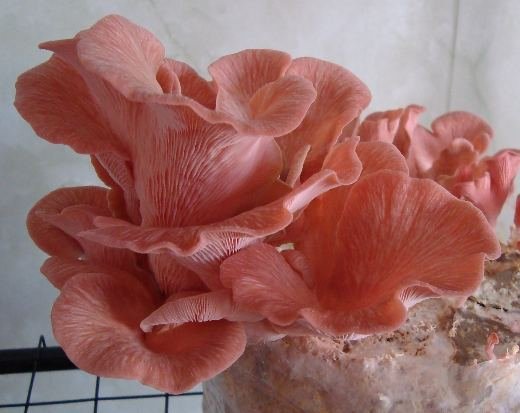 EdiblePink oyster mushroomPleurotus djamorGilled mushrooms
 EdiblePioppinoCyclocybe aegeritaGilled mushrooms
 EdiblePorciniBoletus edulisBoletes
 EdibleSaffron milk capLactarius deliciosusGilled mushrooms
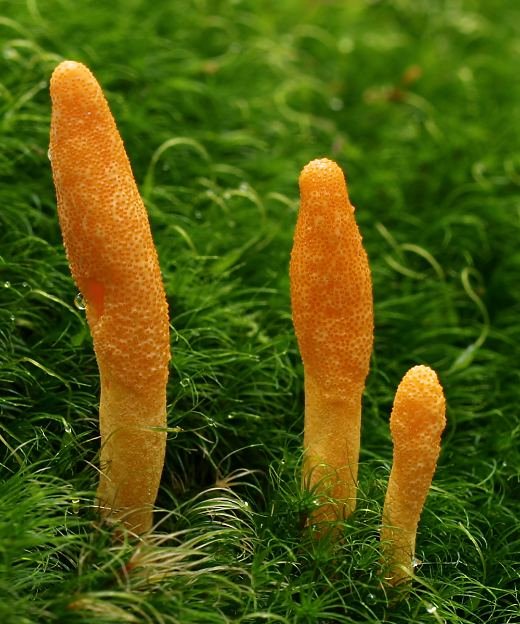 Edible with cautionScarlet caterpillar clubCordyceps militarisOther fungi
 EdibleShaggy ink capCoprinus comatusGilled mushrooms
 EdibleSheathed woodtuftKuehneromyces mutabilisGilled mushrooms
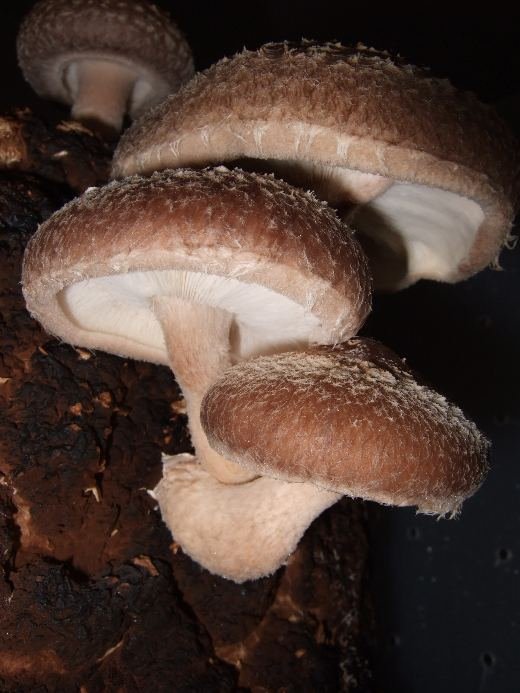 EdibleShiitakeLentinula edodesGilled mushrooms
 EdibleSlippery jackSuillus luteusBoletes
 EdibleSnow fungusTremella fuciformisJelly fungi
 Edible with cautionSplit gill fungusSchizophyllum communeGilled mushrooms
 EdibleSt George's mushroomCalocybe gambosaGilled mushrooms
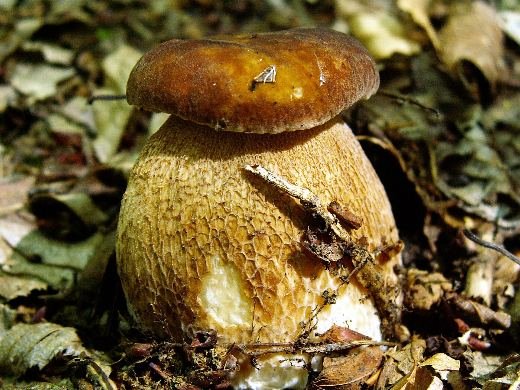 EdibleSummer cepBoletus reticulatusBoletes
 EdibleSummer oyster mushroomPleurotus pulmonariusGilled mushrooms
 EdibleSummer truffleTuber aestivumTruffles
 EdibleTempeh mouldRhizopus oligosporusMoulds, yeasts and microfungi
 EdibleWhite truffleTuber magnatumTruffles
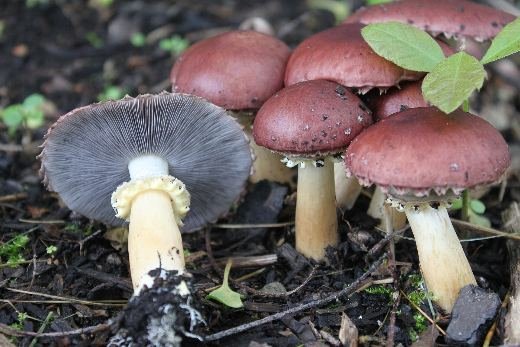 EdibleWine capStropharia rugosoannulataGilled mushrooms
 EdibleWinter chanterelleCraterellus tubaeformisChanterelles
 EdibleWood blewitLepista nudaGilled mushrooms
 Edible with cautionYellow morelMorchella esculentaMorels and cup fungi
Questions and answers
Can I eat a mushroom identified with an app or a photo?
No. Apps and photos are useful for learning but are not reliable enough for deciding whether to eat a mushroom. Have every find checked in person by an experienced expert.
Is it legal to pick wild mushrooms in the UK?
Generally yes for your own use. In England and Wales the Theft Act 1968 exempts picking wild mushrooms for personal use, but not for sale. Some sites, such as the New Forest and Epping Forest, do not allow picking, and protected species must never be picked.
Is there a simple test to tell edible from poisonous mushrooms?
No. Folk tests based on colour, smell, peeling, silver spoons or animals eating a mushroom are all unreliable. Only correct identification of the species counts.
Can I eat wild mushrooms raw?
Most wild mushrooms should be thoroughly cooked. Some edible species are indigestible or even toxic raw.
What if I feel unwell after eating wild mushrooms?
Seek medical help immediately, even if symptoms seem mild or start many hours later, and keep any leftover mushrooms for identification.
Join the next intake.
Pay in full with a 20% reduction, or reserve your place with 40% and pay the rest in monthly instalments. All prices are stated in pounds sterling (GBP).