

Boletes & Porcini Identification
Identify edible boletes, including the porcini group, and separate them from bitter or toxic species with confidence.
Programme identification
- 1.1Programme name
- Boletes & Porcini Identification
- 1.2Type of qualification
- Course
- 1.3Provider / endorsing institution
- Fungaris – International Institute of Mycology, School of Culinary Mycology & Foraging. A Fungaris programme of its own, not endorsed by a university.
- 1.4Mode of study
- Online, with live sessions in a small group, recordings and a virtual campus.
- 1.5Duration (hours / ECTS credits)
- 3 months (12 weeks) · 72 hours in total · 6 modules of 12 hours · 12 live sessions of 2 hours. ECTS credits: not applicable (Fungaris own programme, not an official university degree).
- 1.6Language
- English
- 1.7Start and end dates / intake
- Next intake: 11 January 2027 to 2 April 2027. Enrolment closes on 4 January 2027. Following intake: 8 March 2027. How intakes work →
Overview
2.1Programme description
This course focuses on boletes, the pored mushrooms that include porcini, one of the most valued wild foods in Europe and beyond. Students learn bolete anatomy and the key features that separate genera, including pore colour, stem ornamentation, flesh staining and taste. They study the porcini group in detail, then other good edible boletes, before turning to bitter, toxic and protected species that must be left in the forest. Habitat and host tree relationships are covered, along with grading and handling for market.
Porcini and other boletes carry high commercial value, so confident identification matters both to foragers and to buyers checking supplies. The programme suits foragers and wild mushroom buyers who already have basic identification skills. It is taught live by field mycologists and people who work in the bolete trade. For the final project, each student prepares an illustrated bolete identification and grading guide for their region, covering edible species, key look-alikes and quality classes.
2.2Why it matters / what need it meets
It meets a practical need: applied, up-to-date knowledge in culinary mycology, useful in areas such as Wild food trade, Food processing, Restaurants, Mycotourism.
Mycology is moving fast and good practical training is still scarce. This programme gives you a structured path, taught live by people who work in the field, so you can apply what you learn with judgement and safety.
Objectives and competences
3.1General objective
To finish the programme able to apply its content professionally and with judgement. In short:
Identify edible boletes, including the porcini group, and separate them from bitter or toxic species with confidence.
3.2Specific objectives
- Build the foundations: Bolete Anatomy and Key Features; The Porcini Group.
- Put them into practice: Other Edible Boletes; Bitter, Toxic and Protected Boletes.
- Apply everything to a real case: Habitats and Host Trees; Grading and Handling for Market.
- Complete a final project reviewed by your professor.
3.3Competences you will gain
- Use pore, stem and flesh features to identify bolete genera.
- Separate the main porcini species from one another.
- Recognise bitter, toxic and protected boletes reliably.
- Link boletes to their host trees and preferred habitats.
- Grade and handle boletes to meet market quality expectations.
Student profile
4.1Who it is for (entry profile)
Foragers and buyers of wild mushrooms.
4.2Entry requirements
Basic mushroom identification skills are recommended, such as those from an introductory or identification course.
4.3Career paths (exit profile)
- Commercial bolete forager
- Wild mushroom buyer for a wholesaler
- Quality checker at a mushroom processing plant
- Restaurant forager supplying porcini
- Foray guide specialising in boletes
Outcomes depend on your experience and on your local market.
Study plan
5.1Overall structure (modules and workload)
| Module | Title | Phase | Topics | Hours |
|---|---|---|---|---|
| 01 | Bolete Anatomy and Key Features | Foundations | 3 | 12 |
| 02 | The Porcini Group | Foundations | 3 | 12 |
| 03 | Other Edible Boletes | Practice | 3 | 12 |
| 04 | Bitter, Toxic and Protected Boletes | Practice | 3 | 12 |
| 05 | Habitats and Host Trees | Application & project | 3 | 12 |
| 06 | Grading and Handling for Market | Application & project | 3 | 12 |
| Total | 72 |
6 modules × 12 hours = 72 hours: 24 hours of live sessions, and the rest for campus study, exercises and the final project.
5.2Content by module
Hover or tap a module to follow the path from the first session to the final project. Open a module to see the topics it covers.
- Tubes, pores and hymenophore
- Stem reticulation and ornamentation
- Flesh colour and bluing reactions
- Boletus edulis
- Boletus aereus, reticulatus and pinophilus
- Separating porcini species in the field
- Bay bolete and Imleria
- Leccinum and scaber stalks
- Suillus and slippery jacks
- Bitter bolete and Tylopilus
- Rubroboletus and toxic red-pored species
- Rare and protected boletes
- Oak, beech, pine and spruce associations
- Soil, altitude and climate
- Reading a productive bolete site
- Quality grades and defects
- Cleaning, sorting and packing
- Cold chain and shelf life
5.3Company placement
This programme does not include a company placement. Practice is built into every module through exercises, case studies and the final project.
5.4Final project
An illustrated regional guide to identifying and grading boletes, including edible species, look-alikes and quality classes.
Methodology
6.1How it is taught
- Live online sessions, usually weekly, with a working professional and a small group.
- Recordings of every session, so you can catch up if work or time zones get in the way.
- Exercises and real case studies in every module.
- Tutoring: your professor answers questions and gives feedback on your exercises and project.
6.2Platform and resources
A Moodle virtual campus with session recordings, readings, exercises and forums for each module. You need a computer, an up-to-date browser and a stable connection; a webcam and microphone are recommended.
Technical requirements →6.3Estimated weekly workload
About 6 hours a week for 12 weeks: one 2-hour live session on a weekday evening, plus study and exercises on the campus at your own pace.
Assessment
7.1Assessment system and weighting
Progress is assessed through participation in live sessions, identification exercises in each module and a final project reviewed by the professor.
7.2Requirements to pass
- Complete every module, by attending the live sessions or watching the recordings.
- Hand in the module exercises.
- Have your final project approved by your professor.
Teaching team
8.1Academic direction
The Culinary Mycology at Fungaris coordinates the content and quality of this programme. The academic director of each intake is named in the intake guide.
8.2Faculty
Taught by professionals who work in the field. The professor of each intake is confirmed before the start.
Meet our faculty →Certificate
9.1Certificate awarded
Course Certificate
On completing the programme and its project, Fungaris issues a Course Certificate. Accreditations are assessed according to the training completed and the local regulations of each country.
9.2Issuing body / recognition
Issued by Fungaris (operated by Nexora Generation, S.L.) as a digital certificate. It is a Fungaris certificate of its own: it is not an official university degree and does not award ECTS credits.
About our certificates →Admission and enrolment
10.1Admission process (steps)
- Send your request through the form or write to admissions.
- Admissions reviews your profile and confirms the start date, the session schedule and the fee.
- You secure your place with full payment or a 40% reservation.
- You receive your campus access and welcome guide before the first session.
10.2Documents required
- A valid identity document.
- Contact and billing details (personal or company).
10.3Deadlines
Enrolment for the intake starting on 11 January 2027 is open until 4 January 2027, or until the group is full (maximum 20 students).
10.4Fee and payment options
Fee: £340
- Full payment before the start: £272 (20% reduction).
- 40% reservation (£136) and 3 monthly instalments of £68.
10.5Grants, discounts and funding
Discounts: 10% for Fungaris alumni and 15% for groups of three or more people from the same organisation. Discounts cannot be combined with each other or with the full-payment reduction.
Your employer can pay for the programme and receive the invoice in the company name. Whether a public or employer training budget can cover the fee depends on your country, so check with them.
10.6Cancellation policy
The conditions for cancelling, withdrawing or moving to a later intake are explained in our cancellation policy and in your enrolment confirmation. Nothing there limits your rights under the consumer law that applies to you.
Cancellation and refunds →Additional information
11.1Frequently asked questions
Do I need experience to study Boletes & Porcini Identification?
Basic mushroom identification skills are recommended, such as those from an introductory or identification course.
How is Boletes & Porcini Identification taught?
Live online, in 6 modules with a working professional, a small group and a final project.
How am I assessed?
Progress is assessed through participation in live sessions, identification exercises in each module and a final project reviewed by the professor.
What is the final project?
An illustrated regional guide to identifying and grading boletes, including edible species, look-alikes and quality classes.
What certificate do I get?
On completing the programme and its project, Fungaris issues a Course Certificate. Accreditations are assessed according to the training completed and the local regulations of each country.
What can I study after Boletes & Porcini Identification?
The natural next step is Diploma in Culinary Mycology.
11.2Alumni testimonials
We only publish verified testimonials from real students. This programme does not have any published yet; they will appear here once its first intakes finish.
11.3Admissions contact
Write to info@fungaris.institute or use the contact form. Admissions answers in your language.
Read before you start.

Keep branching.
From our species guide.
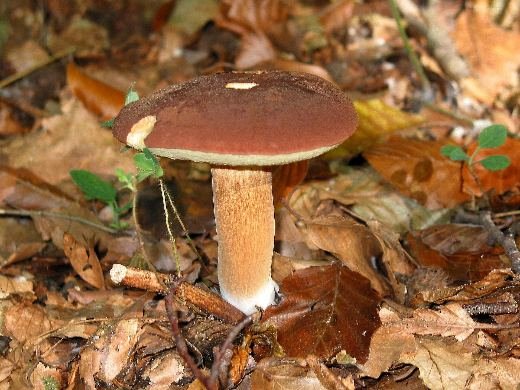 EdibleBay boleteImleria badiaBoletes
 EdibleBronze boleteBoletus aereusBoletes
 EdibleBrown birch boleteLeccinum scabrumBoletes
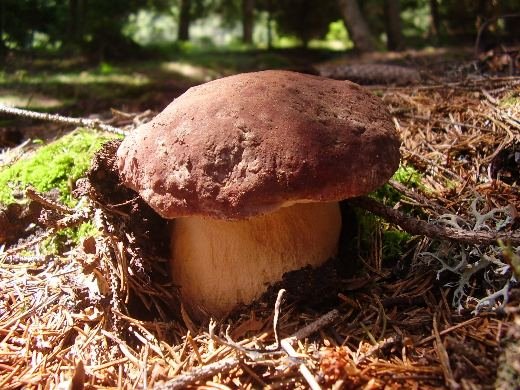 EdiblePine boleteBoletus pinophilusBoletes
 EdiblePorciniBoletus edulisBoletes
 PoisonousSatan's boleteRubroboletus satanasBoletes
 EdibleSlippery jackSuillus luteusBoletes
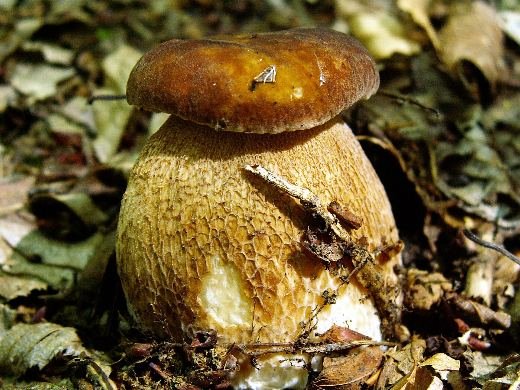 EdibleSummer cepBoletus reticulatusBoletes
Join the next intake.
Pay in full with a 20% reduction, or reserve your place with 40% and pay the rest in monthly instalments. All prices are stated in pounds sterling (GBP).