

Medicinal mushrooms in the UK: separating evidence from hype
Lion's mane, reishi, turkey tail and cordyceps are now sold everywhere in the UK, from health food shops to coffee blends, but much of what is said about them goes far beyond the evidence. This page explains what the research covers, why product quality matters and how mushroom products are regulated in Great Britain.
Which mushrooms are being studied, and for what
The term ‘medicinal mushrooms’ usually covers species with a long history in traditional medicine systems and an active research literature today:
- Reishi (Ganoderma species), studied mainly for polysaccharides and triterpenes.
- Turkey tail (Trametes versicolor), a common British bracket fungus, studied for protein-bound polysaccharides.
- Lion's mane (Hericium erinaceus), studied for compounds called hericenones and erinacines. In Britain it is rare in the wild and protected by law.
- Cordyceps (Cordyceps militaris and cultivated strains related to Ophiocordyceps sinensis).
- Shiitake and chaga, studied for beta-glucans and other compounds.
What the evidence shows so far
Most research on medicinal mushroom compounds comes from laboratory studies on cells and from animal experiments. These are useful for generating hypotheses but cannot show that a product benefits people. Human trials exist for some species and preparations, yet many are small, short, use different products and doses, and are sometimes funded by manufacturers. Results from one extract cannot be transferred to another product. Overall, the evidence is promising in places but far from the confident claims seen in marketing.
Quality, identity and safety of products
Two products labelled with the same species can be very different. Key questions include whether the product contains fruiting bodies or mycelium, whether mycelium was grown on grain and contains a large share of starch, which extraction method was used and whether beta-glucan content was measured. Contamination with heavy metals or pesticides and misidentified species are known problems. People who take medicines, are pregnant or have a health condition should talk to a doctor or pharmacist before using mushroom supplements.
How mushroom products are regulated in the UK
In Great Britain, mushroom supplements are regulated as food, not as medicines:
- Food supplements are covered by food supplements regulations, such as the Food Supplements (England) Regulations 2003, with equivalent rules in Scotland and Wales.
- Health claims must be authorised on the GB nutrition and health claims register. According to the Advertising Standards Authority, there are currently no authorised claims for mushrooms themselves.
- Disease claims: foods may not claim to prevent, treat or cure disease; medicinal claims are only allowed for products licensed by the MHRA.
- Novel foods: foods not widely eaten in the UK or EU before 15 May 1997 need authorisation from the Food Standards Agency. The ASA has warned that turkey tail and some cordyceps species are likely to be considered unauthorised novel foods.
Northern Ireland follows EU rules in many food areas, so check separately if you sell there.
Studying medicinal mushrooms at Fungaris
Our medicinal mushroom school teaches the topic as a science: biology of the species, chemistry of bioactive compounds, extraction and analysis, critical reading of clinical evidence, safety and regulation. The courses do not train practitioners to treat patients and make no health claims for any product. Students learn to read a clinical trial critically, to judge product labels and certificates of analysis, and to explain the UK rules on claims and novel foods to customers or colleagues.
Learn it live with a professional.
Explore them one by one.
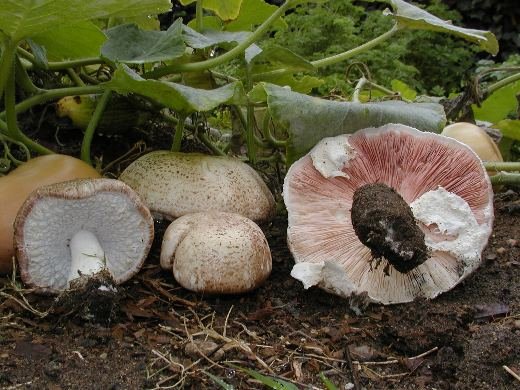 EdibleAlmond mushroomAgaricus subrufescensGilled mushrooms
 Not a foodBirch polyporeFomitopsis betulinaPolypores and brackets
 Not a foodCandida albicansCandida albicansMoulds, yeasts and microfungi
 Not a foodCaterpillar fungusOphiocordyceps sinensisOther fungi
 Not a foodChagaInonotus obliquusPolypores and brackets
 EdibleCoral tooth fungusHericium coralloidesTooth fungi
 PoisonousErgotClaviceps purpureaOther fungi
 PoisonousJack-o'-lantern mushroomOmphalotus oleariusGilled mushrooms
 EdibleJelly earAuricularia auricula-judaeJelly fungi
 EdibleLion's maneHericium erinaceusTooth fungi
 EdibleMaitakeGrifola frondosaPolypores and brackets
 Not a foodPenicillin mouldPenicillium rubensMoulds, yeasts and microfungi
 Not a foodReishiGanoderma lingzhiPolypores and brackets
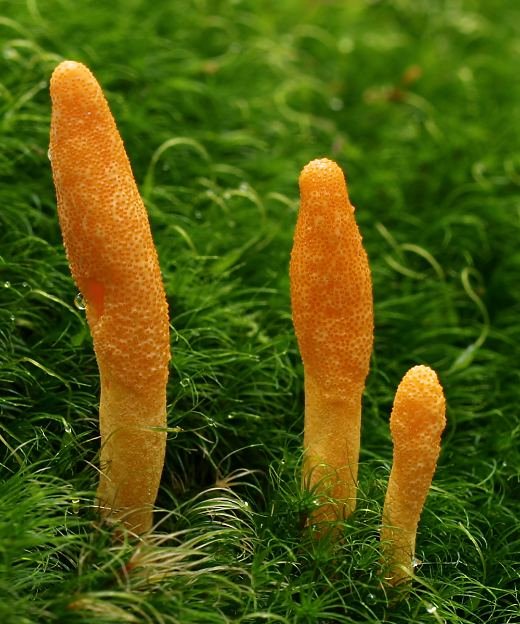 Edible with cautionScarlet caterpillar clubCordyceps militarisOther fungi
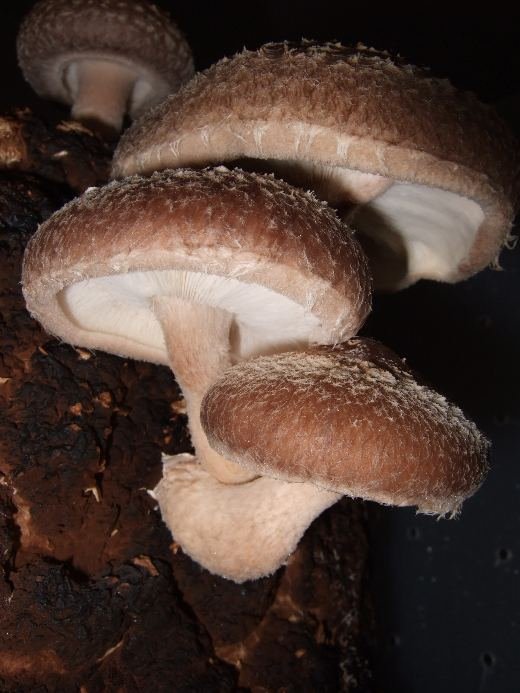 EdibleShiitakeLentinula edodesGilled mushrooms
 EdibleSnow fungusTremella fuciformisJelly fungi
 Not a foodTinder fungusFomes fomentariusPolypores and brackets
 Not a foodTurkey tailTrametes versicolorPolypores and brackets
Questions and answers
Are medicinal mushrooms proven to work?
For most uses, no. There is interesting laboratory and early clinical research, but the human evidence is limited and does not support the strong claims often made in marketing.
Are mushroom supplements medicines in the UK?
No. In Great Britain they are regulated as food supplements. They cannot claim to prevent, treat or cure disease, and health claims must be authorised.
Is it legal to pick wild lion's mane in the UK?
No. Wild lion's mane, known as the bearded tooth, is protected under Schedule 8 of the Wildlife and Countryside Act 1981. Products should be made from cultivated mushrooms.
Are medicinal mushroom supplements safe?
Many are well tolerated, but quality varies and interactions or side effects are possible. Talk to a doctor or pharmacist, especially if you take medicines.
Will this course qualify me to treat people?
No. Our courses teach the science, evidence and regulation of medicinal mushrooms. They do not qualify anyone to diagnose or treat patients.
Join the next intake.
Pay in full with a 20% reduction, or reserve your place with 40% and pay the rest in monthly instalments. All prices are stated in pounds sterling (GBP).