

Medicinal mushrooms research: separating evidence from hype
Reishi, lion's mane, turkey tail and cordyceps fill the shelves of American health food stores, but much of what is said about them online goes far beyond the evidence. This page explains what the research actually covers, why product quality matters and how these products are regulated in the United States.
Which mushrooms are being studied, and for what
The term "medicinal mushrooms", or "functional mushrooms" in US marketing, usually covers a group of species with a long history in traditional medicine and an active research literature today:
- Reishi (Ganoderma lingzhi and related species), studied mainly for its polysaccharides and triterpenes. North America has its own native relatives, such as the hemlock varnish shelf.
- Turkey tail (Trametes versicolor), source of the protein-bound polysaccharides PSK and PSP.
- Lion's mane (Hericium erinaceus), studied for compounds called hericenones and erinacines.
- Shiitake (Lentinula edodes), source of the beta-glucan lentinan.
- Cordyceps militaris, studied for cordycepin.
- Chaga (Inonotus obliquus), a sterile growth on birch rich in pigments and phenolic compounds.
Fungi are also the origin of major medicines that are not "medicinal mushrooms" in the popular sense, such as penicillin, whose mass production was developed at a USDA laboratory in Peoria, Illinois, during World War II.
What the evidence shows so far
Most research on medicinal mushroom compounds comes from lab studies on cells and from animal experiments. These are useful for generating hypotheses but cannot show that a product benefits people. Human trials exist for some species and preparations, yet many are small, short, use different extracts and doses, or lack proper control groups, which makes results hard to compare. In Japan, PSK and lentinan have been studied as add-ons to conventional cancer treatment, but that research concerns specific standardized preparations, not supplements in general.
A fair summary is that the field is scientifically interesting and still largely unproven for most uses claimed online. Learning to read study designs, effect sizes and systematic reviews is the core skill for anyone working in this area.
Quality, identity and safety of products
Two products labeled with the same species can be very different. Key questions include whether the product contains fruiting bodies or mycelium, whether the mycelium was grown on grain and contains a large share of starch, which extraction method was used, and whether beta-glucan content was measured with a specific method. DNA testing helps confirm species identity. Products can also contain contaminants such as heavy metals, and case reports have linked some products to adverse effects, for example high oxalate levels in chaga. Anyone taking medication or with a health condition should talk to a doctor before using mushroom supplements.
How mushroom supplements are regulated in the US
In the United States, most mushroom products are sold as foods or as dietary supplements under the Dietary Supplement Health and Education Act. The FDA does not approve dietary supplements before they are marketed; manufacturers are responsible for making sure their products are safe and properly labeled, and a new dietary ingredient requires a notification to the FDA at least 75 days before marketing. A product marketed to treat, cure or prevent a disease is regulated as a drug. Structure/function claims are allowed but must carry the disclaimer that the statement has not been evaluated by the FDA and that the product is not intended to diagnose, treat, cure or prevent any disease. Not every fungus is acceptable: in December 2024 the FDA stated that Amanita muscaria and its constituents are not authorized as ingredients in conventional food.
Studying medicinal mushrooms at Fungaris
Our medicinal mushroom school teaches the topic as a science: biology of the species, chemistry of bioactive compounds, extraction and analysis, critical reading of clinical evidence, safety and regulation in the US and the EU. The courses do not train practitioners to treat patients and make no health claims for any product.
Learn it live with a professional.
Explore them one by one.
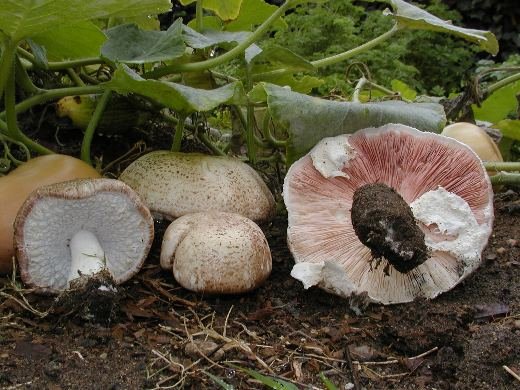 EdibleAlmond mushroomAgaricus subrufescensGilled mushrooms
 Not a foodBirch polyporeFomitopsis betulinaPolypores and brackets
 Not a foodCandida albicansCandida albicansMolds, yeasts and microfungi
 Not a foodCaterpillar fungusOphiocordyceps sinensisOther fungi
 Not a foodChagaInonotus obliquusPolypores and brackets
 EdibleCoral tooth fungusHericium coralloidesTooth fungi
 PoisonousErgotClaviceps purpureaOther fungi
 PoisonousJack-o'-lantern mushroomOmphalotus oleariusGilled mushrooms
 EdibleJelly earAuricularia auricula-judaeJelly fungi
 EdibleLion's maneHericium erinaceusTooth fungi
 EdibleMaitakeGrifola frondosaPolypores and brackets
 Not a foodPenicillin moldPenicillium rubensMolds, yeasts and microfungi
 Not a foodReishiGanoderma lingzhiPolypores and brackets
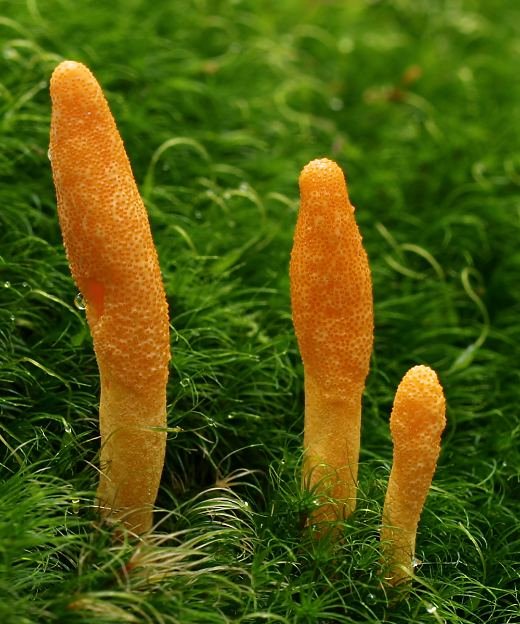 Edible with cautionScarlet caterpillar clubCordyceps militarisOther fungi
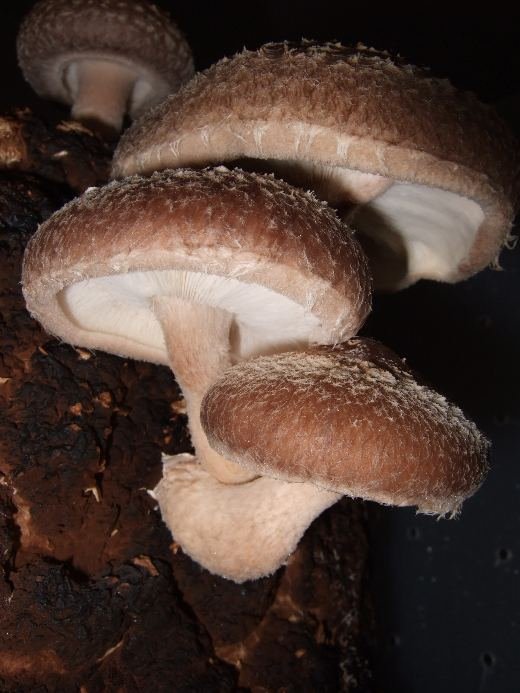 EdibleShiitakeLentinula edodesGilled mushrooms
 EdibleSnow fungusTremella fuciformisJelly fungi
 Not a foodTinder fungusFomes fomentariusPolypores and brackets
 Not a foodTurkey tailTrametes versicolorPolypores and brackets
Questions and answers
Are medicinal mushrooms proven to work?
For most uses claimed online, no. Many findings come from cell and animal studies, and human trials are often small or inconsistent. Some specific preparations have been studied more thoroughly.
Does the FDA approve mushroom supplements?
No. The FDA does not approve dietary supplements before they go on sale. Manufacturers are responsible for safety and labeling, and supplements may not claim to treat, cure or prevent disease.
Are medicinal mushroom supplements safe?
Quality varies widely, contaminants are possible and adverse effects have been reported for some products. Talk to a doctor before use, especially if you take medication.
What is the difference between fruiting body and mycelium products?
Fruiting bodies are the mushrooms themselves; mycelium is the vegetative network. Mycelium grown on grain can contain a lot of starch, so composition and testing matter.
Will this course qualify me to treat people?
No. Fungaris courses teach the science, quality and regulation of medicinal mushrooms. They do not qualify you to diagnose or treat any condition.
Join the next intake.
Pay in full with a 20% reduction, or reserve your place with 40% and pay the rest in monthly installments. All prices are stated in US dollars (USD).