

Cordyceps militaris Cultivation
Learn the grain-based and liquid methods used to grow Cordyceps militaris, including light requirements and strain degeneration management.
Program identification
- 1.1Program name
- Cordyceps militaris Cultivation
- 1.2Type of qualification
- Course
- 1.3Provider / endorsing institution
- Fungaris – International Institute of Mycology, School of Mushroom Cultivation & Production. A Fungaris program of its own, not endorsed by a university.
- 1.4Mode of study
- Online, with live sessions in a small group, recordings and a virtual campus.
- 1.5Duration (hours / ECTS credits)
- 3 months (12 weeks) · 72 hours in total · 6 modules of 12 hours · 12 live sessions of 2 hours. ECTS credits: not applicable (Fungaris own program, not an official university degree).
- 1.6Language
- English
- 1.7Start and end dates / intake
- Next intake: January 11, 2027 to April 2, 2027. Enrollment closes on January 4, 2027. Following intake: March 8, 2027. How intakes work →
Overview
2.1Program description
Cordyceps militaris Cultivation explains how this unusual fungus, which in nature grows on insect pupae, is produced in containers on grain-based and liquid media. You will study its biology and life cycle, formulate media and choose containers, and inoculate and incubate cultures under clean conditions. The course gives particular attention to light and temperature, which strongly influence fruiting and color, and to strain degeneration, a common cause of failed crops. It ends with drying, quality assessment and the regulatory status of Cordyceps products.
Interest in Cordyceps militaris has grown considerably, but cultivation differs from typical mushroom growing and legal requirements for selling it vary by country and product type. This course does not cover health claims; it focuses on production and compliance. It suits growers diversifying into specialty fungi. In the final project you write a small-scale production protocol including media recipe, container system, light schedule, strain renewal plan and a summary of the regulations relevant to your market, reviewed by your instructor.
2.2Why it matters / what need it meets
It meets a practical need: applied, up-to-date knowledge in cultivation, useful in areas such as specialty fungi production, small-scale biotechnology, food ingredient supply, regulatory and quality compliance.
Mycology is moving fast and good practical training is still scarce. This program gives you a structured path, taught live by people who work in the field, so you can apply what you learn with judgment and safety.
Objectives and competences
3.1General objective
To finish the program able to apply its content professionally and with judgment. In short:
Learn the grain-based and liquid methods used to grow Cordyceps militaris, including light requirements and strain degeneration management.
3.2Specific objectives
- Build the foundations: Cordyceps militaris Biology; Media Formulation and Containers.
- Put them into practice: Inoculation and Incubation; Light and Temperature for Fruiting.
- Apply everything to a real case: Strain Degeneration and Renewal; Drying, Quality and Regulatory Status.
- Complete a final project reviewed by your instructor.
3.3Competences you will gain
- Explain the biology and life cycle of Cordyceps militaris.
- Formulate and sterilize grain-based and liquid media.
- Manage light and temperature to support fruiting.
- Recognize strain degeneration and renew cultures.
- Dry and assess product quality and check regulatory status.
Student profile
4.1Who it is for (entry profile)
Growers diversifying into specialty fungi.
4.2Entry requirements
Basic sterile technique and some experience with agar or grain cultures are recommended. Access to a sterilization method and clean workspace is needed.
4.3Career paths (exit profile)
- Specialty fungi producer
- Lab technician for Cordyceps production
- Grower diversifying a mushroom business
- Quality assistant for a specialty fungi company
- Product developer checking regulatory compliance
Outcomes depend on your experience and on your local market.
Study plan
5.1Overall structure (modules and workload)
| Module | Title | Phase | Topics | Hours |
|---|---|---|---|---|
| 01 | Cordyceps militaris Biology | Foundations | 3 | 12 |
| 02 | Media Formulation and Containers | Foundations | 3 | 12 |
| 03 | Inoculation and Incubation | Practice | 3 | 12 |
| 04 | Light and Temperature for Fruiting | Practice | 3 | 12 |
| 05 | Strain Degeneration and Renewal | Application & project | 3 | 12 |
| 06 | Drying, Quality and Regulatory Status | Application & project | 3 | 12 |
| Total | 72 |
6 modules × 12 hours = 72 hours: 24 hours of live sessions, and the rest for campus study, exercises and the final project.
5.2Content by module
Hover or tap a module to follow the path from the first session to the final project. Open a module to see the topics it covers.
- Life cycle and natural hosts
- Mating types and fruiting
- Differences from other cultivated fungi
- Grain and broth-based media
- Jars, boxes and trays
- Media preparation and sterilization
- Liquid inoculation
- Dark incubation phase
- Monitoring colonization
- Light intensity and photoperiod
- Temperature and humidity
- Color and stroma development
- Signs of degeneration
- Re-isolation and selection
- Culture storage practices
- Harvest and drying methods
- Visual and quality criteria
- Regulatory status by market
5.3Company placement
This program does not include a company placement. Practice is built into every module through exercises, case studies and the final project.
5.4Final project
A small-scale Cordyceps militaris production protocol with media, containers, light schedule, strain renewal and regulatory summary.
Methodology
6.1How it is taught
- Live online sessions, usually weekly, with a working professional and a small group.
- Recordings of every session, so you can catch up if work or time zones get in the way.
- Exercises and real case studies in every module.
- Tutoring: your instructor answers questions and gives feedback on your exercises and project.
6.2Platform and resources
A Moodle virtual campus with session recordings, readings, exercises and forums for each module. You need a computer, an up-to-date browser and a stable connection; a webcam and microphone are recommended.
Technical requirements →6.3Estimated weekly workload
About 6 hours a week for 12 weeks: one 2-hour live session on a weekday evening, plus study and exercises on the campus at your own pace.
Assessment
7.1Assessment system and weighting
Progress is assessed through participation in live sessions and practical exercises after each module. The instructor reviews the final project and gives individual feedback.
7.2Requirements to pass
- Complete every module, by attending the live sessions or watching the recordings.
- Hand in the module exercises.
- Have your final project approved by your instructor.
Teaching team
8.1Academic direction
At Fungaris, the Cultivation school coordinates the content and quality of this program. The academic director of each intake is named in the intake guide.
8.2Faculty
Taught by professionals who work in the field. The instructor for each intake is confirmed before the start.
Meet our faculty →Certificate
9.1Certificate awarded
Course Certificate
On completing the program and its project, Fungaris issues a Course Certificate. Fungaris certificates are the institute's own. Whether an employer, school or authority recognizes them depends on that organization and on local rules in each country.
9.2Issuing body / recognition
Issued by Fungaris (operated by Nexora Generation, S.L.) as a digital certificate. It is a Fungaris certificate of its own: it is not an official university degree and does not award ECTS credits.
About our certificates →Admission and enrollment
10.1Admission process (steps)
- Send your request through the form or write to admissions.
- Admissions reviews your profile and confirms the start date, the session schedule and the fee.
- You secure your place with full payment or a 40% reservation.
- You receive your campus access and welcome guide before the first session.
10.2Documents required
- A valid identity document.
- Contact and billing details (personal or company).
10.3Deadlines
Enrollment for the intake starting on January 11, 2027 is open until January 4, 2027, or until the group is full (maximum 20 students).
10.4Fee and payment options
Fee: $450
- Full payment before the start: $360 (20% reduction).
- 40% reservation ($180) and 3 monthly installments of $90.
10.5Grants, discounts and funding
Discounts: 10% for Fungaris alumni and 15% for groups of three or more people from the same organization. Discounts cannot be combined with each other or with the full-payment reduction.
Your employer can pay for the program and receive the invoice in the company name. Whether a public or employer training budget can cover the fee depends on your country, so check with them.
10.6Cancellation policy
The conditions for canceling, withdrawing or moving to a later intake are explained in our cancellation policy and in your enrollment confirmation. Nothing there limits your rights under the consumer law that applies to you.
Cancellation and refunds →Additional information
11.1Frequently asked questions
Do I need experience to study Cordyceps militaris Cultivation?
Basic sterile technique and some experience with agar or grain cultures are recommended. Access to a sterilization method and clean workspace is needed.
How is Cordyceps militaris Cultivation taught?
Live online, in 6 modules with a working professional, a small group and a final project.
How am I assessed?
Progress is assessed through participation in live sessions and practical exercises after each module. The instructor reviews the final project and gives individual feedback.
What is the final project?
A small-scale Cordyceps militaris production protocol with media, containers, light schedule, strain renewal and regulatory summary.
What certificate do I get?
On completing the program and its project, Fungaris issues a Course Certificate. Fungaris certificates are the institute's own. Whether an employer, school or authority recognizes them depends on that organization and on local rules in each country.
What can I study after Cordyceps militaris Cultivation?
The natural next step is Diploma in Gourmet Mushroom Production.
11.2Alumni testimonials
We only publish verified testimonials from real students. This program does not have any published yet; they will appear here once its first intakes finish.
11.3Admissions contact
Write to info@fungaris.institute or use the contact form. Admissions answers in your language.
Read before you start.
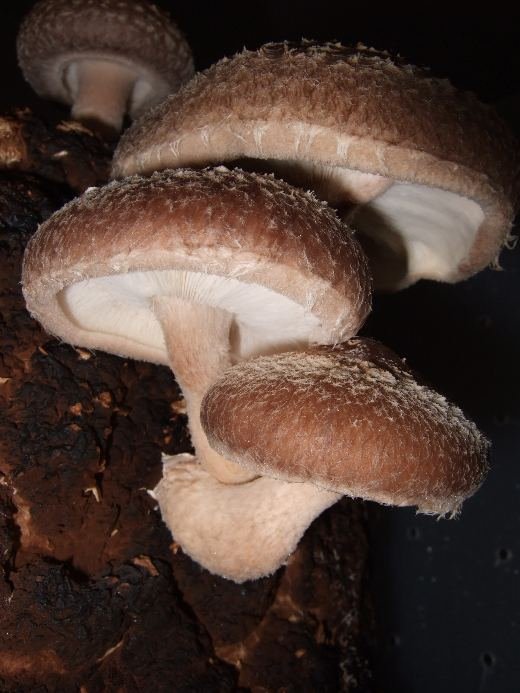 CultivationHow to Grow Shiitake on Logs: A Step-by-Step Outdoor GuideLog-grown shiitake takes patience, but a well-made stack of logs can fruit for several years. Here is how to do it step by step, from cutting wood to harvest.Read the article
 CultivationHow to Grow Oyster Mushrooms at Home: Step-by-Step GuideOyster mushrooms are the most forgiving gourmet species to grow. This step-by-step guide takes you from straw and spawn to your first harvest, and on to a small farm.Read the article
Keep branching.
From our species guide.
Join the next intake.
Pay in full with a 20% reduction, or reserve your place with 40% and pay the rest in monthly installments. All prices are stated in US dollars (USD).