

Mycorrhizal Types & Identification
The main mycorrhizal types, their partners and ecosystems, and lab methods to stain, observe and identify them in roots and soil.
An overview of what you will study and build.
Most land plants form mycorrhizae, but the partnerships differ greatly in structure, fungal partners and ecosystem roles. This course gives a clear overview of the main types, then examines each in turn: arbuscular mycorrhizae formed by Glomeromycota, ectomycorrhizae with their mantles and Hartig nets, and the specialised ericoid and orchid mycorrhizae. Students learn which plants and habitats are associated with each type and why the distinction matters for nutrient cycling and ecosystem management.
As mycorrhizae attract more attention in farming, forestry and restoration, there is growing demand for people who can confirm and quantify them reliably. The course suits students, researchers and soil technicians who need hands-on laboratory competence. Practical modules teach root clearing and staining, colonisation scoring, spore extraction from soil and the basics of molecular identification and sequence interpretation. In the final project, students process a set of root and soil samples, identify the mycorrhizal types present and report colonisation levels with a short discussion of methods and limitations.
6 modules, one growing line of knowledge.
Hover or tap a module to follow the path from the first session to the final project. Open a module to see the topics it covers.
- Defining the main mycorrhizal types
- Plant families and their partners
- Mycorrhizal types and ecosystems
- Glomeromycota diversity and life cycle
- Arbuscules, vesicles and spores
- AM hosts in crops and wild plants
- Mantle and Hartig net structure
- Major ectomycorrhizal fungal lineages
- Morphotyping ectomycorrhizal root tips
- Ericoid mycorrhizae in heathlands
- Orchid mycorrhizae and germination
- Other specialised types
- Clearing and staining roots
- Gridline and magnified intersection methods
- Recording and quality control
- Wet sieving and decanting spores
- Spore morphology basics
- DNA barcoding and sequence interpretation
Mycorrhizal Types & Identification
By the end you will be able to:
- Distinguish the main mycorrhizal types by structure and partners.
- Clear and stain roots for mycorrhizal observation under the microscope.
- Quantify root colonisation using standard intersection methods.
- Extract and describe mycorrhizal spores from soil samples.
- Interpret basic molecular identification results for mycorrhizal fungi.
Where this programme sits in the school.
Where this programme can take you.
Roles and uses that build on what you learn here. Outcomes depend on your experience and local market.
- Soil laboratory technician
- Research assistant in plant-microbe studies
- Quality control technician for inoculant producers
- Field and lab assistant in restoration monitoring
- Postgraduate student in mycorrhizal research
Requirements, assessment and certificate.
Admission requirements
Basic biology is helpful but not essential. Access to a compound microscope is recommended for the practical exercises.
How you are assessed
Progress is assessed through participation in live sessions, laboratory exercises submitted as photos and data sheets, and a final report reviewed by the professor.
Final project
Processing of root and soil samples to identify mycorrhizal types and report colonisation levels.
Certificate
Course Certificate
On completing the programme and its project, Fungaris issues a Course Certificate. Accreditations are assessed according to the training completed and the local regulations of each country.
How the programme grows, phase by phase.
- Overview of Mycorrhizal Types
- Arbuscular Mycorrhizae and Glomeromycota
- Ectomycorrhizae and Their Fungal Partners
- Ericoid and Orchid Mycorrhizae
- Root Staining and Colonisation Assessment
- Spore Extraction and Molecular Identification
Related searches
Questions about this programme
Do I need experience to study Mycorrhizal Types & Identification?
Basic biology is helpful but not essential. Access to a compound microscope is recommended for the practical exercises.
How is Mycorrhizal Types & Identification taught?
Live online, in 6 modules with a working professional, a small group and a final project.
How am I assessed?
Progress is assessed through participation in live sessions, laboratory exercises submitted as photos and data sheets, and a final report reviewed by the professor.
What is the final project?
Processing of root and soil samples to identify mycorrhizal types and report colonisation levels.
What certificate do I get?
On completing the programme and its project, Fungaris issues a Course Certificate. Accreditations are assessed according to the training completed and the local regulations of each country.
What can I study after Mycorrhizal Types & Identification?
The natural next step is Diploma in Mycorrhizal Agriculture.
Read before you start.

Keep branching.
From our species guide.
 EdibleBronze boleteBoletus aereusBoletes
 EdibleChanterelleCantharellus cibariusChanterelles
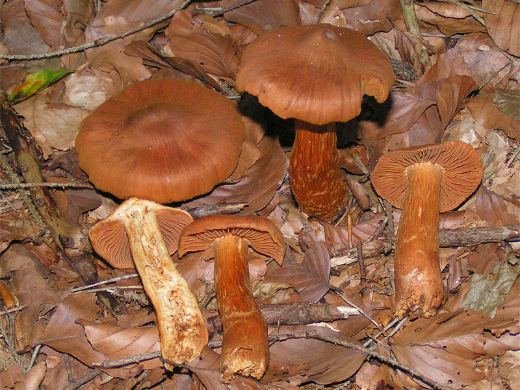 Deadly poisonousDeadly webcapCortinarius rubellusGilled mushrooms
 PoisonousFly agaricAmanita muscariaGilled mushrooms
 EdibleGypsy mushroomCortinarius caperatusGilled mushrooms
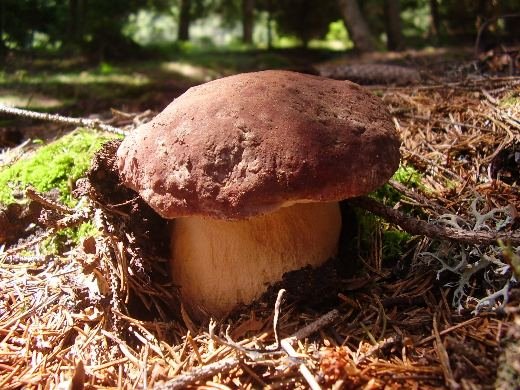 EdiblePine boleteBoletus pinophilusBoletes
 EdiblePorciniBoletus edulisBoletes
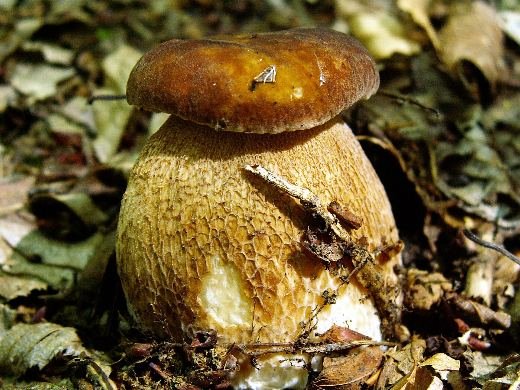 EdibleSummer cepBoletus reticulatusBoletes
Join the next intake.
Pay in full with a 20% reduction, or reserve your place with 40% and pay the rest in monthly instalments. All prices are stated in US dollars (USD).