

Substrate Formulation & Pasteurization
Design productive substrate recipes and choose the right heat treatment, balancing nutrition, moisture, cost and contamination risk.
An overview of what you will study and build.
Substrate Formulation and Pasteurisation explains why some substrate recipes produce heavy, clean flushes while others stall or contaminate. You will study the role of carbon, nitrogen and common supplements, learn to measure and adjust moisture content and pH, and compare pasteurisation methods such as hot water, steam, cold lime and fermentation. The course also covers when supplemented substrates require full sterilisation and how to test and optimise recipes systematically rather than by trial and error.
As growers scale up, substrate becomes one of the largest costs and the biggest source of variation in yield. Small changes in moisture, supplement level or heat treatment can decide whether a batch succeeds. This course suits growers moving beyond starter recipes and farm staff responsible for substrate preparation. In the final project you design and plan a trial of an improved substrate recipe for your main species, with ingredient costs, treatment method, measurement plan and success criteria, reviewed by your professor.
6 modules, one growing line of knowledge.
Hover or tap a module to follow the path from the first session to the final project. Open a module to see the topics it covers.
- Lignin, cellulose and hemicellulose
- Common base materials
- Ingredient quality and storage
- Understanding C:N ratios
- Bran, soy hulls and other supplements
- Supplementation and contamination risk
- Field capacity and the squeeze test
- Measuring moisture by weight
- Adjusting and buffering pH
- Hot water and steam pasteurisation
- Cold lime and fermentation methods
- Choosing a method by scale and cost
- Why supplemented substrates need sterilising
- Sterilisation times and load sizes
- Cooling and inoculation hygiene
- Designing a recipe trial
- Measuring yield and contamination
- Costing and finalising recipes
Substrate Formulation & Pasteurization
By the end you will be able to:
- Explain how substrate composition affects yield and contamination risk.
- Calculate and adjust carbon-to-nitrogen ratios for common species.
- Measure and correct substrate moisture and pH.
- Select a pasteurisation or sterilisation method for a given recipe.
- Design simple trials to compare and optimise substrate recipes.
Where this programme sits in the school.
Where this programme can take you.
Roles and uses that build on what you learn here. Outcomes depend on your experience and local market.
- Substrate preparation manager on a mushroom farm
- Production technician optimising recipes
- Grower scaling a small farm
- Technical adviser for substrate suppliers
- Research assistant in applied mushroom trials
Requirements, assessment and certificate.
Admission requirements
Some practical experience growing at least one species is recommended. Basic measuring equipment such as scales and pH strips is useful for the exercises.
How you are assessed
Assessment is based on participation in live sessions and module exercises with calculations. The final project is reviewed by the professor with detailed feedback.
Final project
A costed trial plan for an improved substrate recipe, with treatment method, measurement plan and success criteria.
Certificate
Course Certificate
On completing the programme and its project, Fungaris issues a Course Certificate. Accreditations are assessed according to the training completed and the local regulations of each country.
How the programme grows, phase by phase.
- Substrate Ingredients and Nutrition
- Carbon-to-Nitrogen Ratios and Supplements
- Moisture Content and pH
- Pasteurization Methods Compared
- Sterilization for Supplemented Substrates
- Testing and Optimizing Recipes
Related searches
Questions about this programme
Do I need experience to study Substrate Formulation & Pasteurization?
Some practical experience growing at least one species is recommended. Basic measuring equipment such as scales and pH strips is useful for the exercises.
How is Substrate Formulation & Pasteurization taught?
Live online, in 6 modules with a working professional, a small group and a final project.
How am I assessed?
Assessment is based on participation in live sessions and module exercises with calculations. The final project is reviewed by the professor with detailed feedback.
What is the final project?
A costed trial plan for an improved substrate recipe, with treatment method, measurement plan and success criteria.
What certificate do I get?
On completing the programme and its project, Fungaris issues a Course Certificate. Accreditations are assessed according to the training completed and the local regulations of each country.
What can I study after Substrate Formulation & Pasteurization?
The natural next step is Diploma in Gourmet Mushroom Production.
Read before you start.
 CultivationHow to Grow Oyster Mushrooms at Home: Step-by-Step GuideOyster mushrooms are the most forgiving gourmet species to grow. This step-by-step guide takes you from straw and spawn to your first harvest, and on to a small farm.Read the article
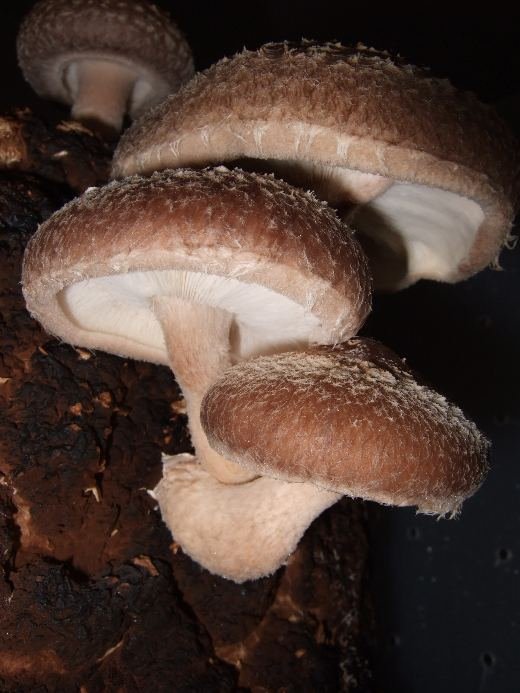 CultivationHow to Grow Shiitake on Logs: A Step-by-Step Outdoor GuideLog-grown shiitake takes patience, but a well-made stack of logs can fruit for several years. Here is how to do it step by step, from cutting wood to harvest.Read the article
Keep branching.
From our species guide.
 EdibleJelly earAuricularia auricula-judaeJelly fungi
 EdibleNamekoPholiota microsporaGilled mushroomsEdibleOyster mushroomPleurotus ostreatusGilled mushrooms
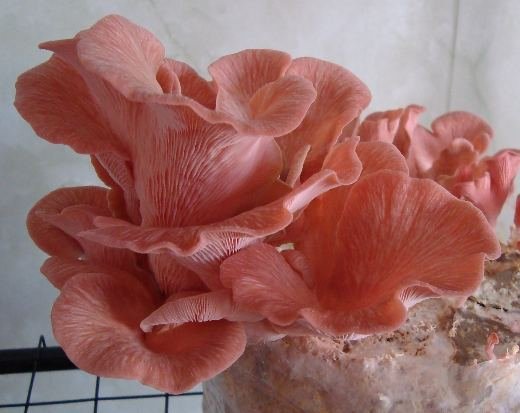 EdiblePink oyster mushroomPleurotus djamorGilled mushrooms
 EdiblePioppinoCyclocybe aegeritaGilled mushroomsEdibleShiitakeLentinula edodesGilled mushrooms
 EdibleSummer oyster mushroomPleurotus pulmonariusGilled mushrooms
Join the next intake.
Pay in full with a 20% reduction, or reserve your place with 40% and pay the rest in monthly instalments. All prices are stated in US dollars (USD).