

Asian Mushroom Cuisine
Learn how Japanese, Chinese, Korean and Southeast Asian kitchens use fresh and dried mushrooms in broths, stir-fries and hot pots.
Programme identification
- 1.1Programme name
- Asian Mushroom Cuisine
- 1.2Type of qualification
- Course
- 1.3Provider / endorsing institution
- Fungaris – International Institute of Mycology, School of Culinary Mycology & Foraging. A Fungaris programme of its own, not endorsed by a university.
- 1.4Mode of study
- Online, with live sessions in a small group, recordings and a virtual campus.
- 1.5Duration (hours / ECTS credits)
- 3 months (12 weeks) · 72 hours in total · 6 modules of 12 hours · 12 live sessions of 2 hours. ECTS credits: not applicable (Fungaris own programme, not an official university degree).
- 1.6Language
- English
- 1.7Start and end dates / intake
- Next intake: 11 January 2027 to 2 April 2027. Enrolment closes on 4 January 2027. Following intake: 8 March 2027. How intakes work →
Overview
2.1Programme description
This course explores how Japanese, Chinese, Korean and Southeast Asian kitchens use fresh and dried mushrooms. Students begin with the place of mushrooms in Asian culinary traditions, then build dashi and mushroom broths from kombu and shiitake. They practise stir-fry and wok techniques, make hot pots, soups and noodle dishes, and learn to rehydrate and use dried mushrooms such as shiitake, wood ear and snow fungus. The final module looks at matsutake and other seasonal specialities and how they are treated with restraint.
Asian kitchens have centuries of experience with cultivated and dried mushrooms, and their techniques are valuable for any chef looking to deepen umami without heavy sauces. The programme suits chefs and adventurous cooks who want to cook authentically and respectfully. It is taught live by chefs trained in Asian cuisines. In the final project, each student prepares a themed Asian mushroom menu, documenting broth bases, techniques and cultural context.
2.2Why it matters / what need it meets
It meets a practical need: applied, up-to-date knowledge in culinary mycology, useful in areas such as restaurants, plant-based food service, culinary education, food media.
Mycology is moving fast and good practical training is still scarce. This programme gives you a structured path, taught live by people who work in the field, so you can apply what you learn with judgement and safety.
Objectives and competences
3.1General objective
To finish the programme able to apply its content professionally and with judgement. In short:
Learn how Japanese, Chinese, Korean and Southeast Asian kitchens use fresh and dried mushrooms in broths, stir-fries and hot pots.
3.2Specific objectives
- Build the foundations: Mushrooms in Asian Culinary Traditions; Dashi and Mushroom Broths.
- Put them into practice: Stir-Fry and Wok Techniques; Hot Pots, Soups and Noodles.
- Apply everything to a real case: Dried Mushrooms: Rehydration and Use; Matsutake and Seasonal Specialities.
- Complete a final project reviewed by your tutor.
3.3Competences you will gain
- Explain how mushrooms are used across major Asian culinary traditions.
- Prepare dashi and mushroom broths with balanced umami.
- Use wok and stir-fry techniques suited to different mushrooms.
- Rehydrate dried mushrooms and use their soaking liquid well.
- Handle matsutake and seasonal specialities with appropriate restraint.
Student profile
4.1Who it is for (entry profile)
Chefs and adventurous cooks.
4.2Entry requirements
No prior knowledge is required. Basic cooking skills and access to a kitchen with a wok or large pan are recommended.
4.3Career paths (exit profile)
- Chef in an Asian or fusion restaurant
- Ramen or noodle bar cook
- Vegetarian and plant-based chef
- Cookery class instructor in Asian cuisines
- Recipe developer for food brands
Outcomes depend on your experience and on your local market.
Study plan
5.1Overall structure (modules and workload)
| Module | Title | Phase | Topics | Hours |
|---|---|---|---|---|
| 01 | Mushrooms in Asian Culinary Traditions | Foundations | 3 | 12 |
| 02 | Dashi and Mushroom Broths | Foundations | 3 | 12 |
| 03 | Stir-Fry and Wok Techniques | Practice | 3 | 12 |
| 04 | Hot Pots, Soups and Noodles | Practice | 3 | 12 |
| 05 | Dried Mushrooms: Rehydration and Use | Application & project | 3 | 12 |
| 06 | Matsutake and Seasonal Specialities | Application & project | 3 | 12 |
| Total | 72 |
6 modules × 12 hours = 72 hours: 24 hours of live sessions, and the rest for campus study, exercises and the final project.
5.2Content by module
Hover or tap a module to follow the path from the first session to the final project. Open a module to see the topics it covers.
- Mushrooms in Japanese cuisine
- Chinese and Korean traditions
- Southeast Asian uses
- Kombu and shiitake dashi
- Clear and rich mushroom broths
- Vegetarian broth bases
- Wok heat and timing
- Cutting mushrooms for stir-fries
- Sauces and aromatics
- Hot pot ingredients and order
- Mushroom soups across Asia
- Noodle dishes with mushrooms
- Shiitake, wood ear and snow fungus
- Soaking times and soaking liquids
- Dried mushroom quality grades
- Matsutake: aroma and handling
- Other seasonal Asian specialities
- Simple preparations that honour the ingredient
5.3Company placement
This programme does not include a company placement. Practice is built into every module through exercises, case studies and the final project.
5.4Final project
A themed Asian mushroom menu documenting broth bases, techniques and cultural context.
Methodology
6.1How it is taught
- Live online sessions, usually weekly, with a working professional and a small group.
- Recordings of every session, so you can catch up if work or time zones get in the way.
- Exercises and real case studies in every module.
- Tutoring: your tutor answers questions and gives feedback on your exercises and project.
6.2Platform and resources
A Moodle virtual campus with session recordings, readings, exercises and forums for each module. You need a computer, an up-to-date browser and a stable connection; a webcam and microphone are recommended.
Technical requirements →6.3Estimated weekly workload
About 6 hours a week for 12 weeks: one 2-hour live session on a weekday evening, plus study and exercises on the campus at your own pace.
Assessment
7.1Assessment system and weighting
Progress is assessed through participation in live sessions, cooking exercises in each module and a final project reviewed by the tutor.
7.2Requirements to pass
- Complete every module, by attending the live sessions or watching the recordings.
- Hand in the module exercises.
- Have your final project approved by your tutor.
Teaching team
8.1Academic direction
At Fungaris, the Culinary Mycology school coordinates the content and quality of this programme. The academic director of each intake is named in the intake guide.
8.2Faculty
Taught by professionals who work in the field. The tutor for each intake is confirmed before the start.
Meet our faculty →Certificate
9.1Certificate awarded
Course Certificate
On completing the programme and its project, Fungaris issues a Course Certificate. Fungaris certificates are the institute's own. Whether an employer, school or authority recognises them depends on that organisation and on local rules in each country.
9.2Issuing body / recognition
Issued by Fungaris (operated by Nexora Generation, S.L.) as a digital certificate. It is a Fungaris certificate of its own: it is not an official university degree and does not award ECTS credits.
About our certificates →Admission and enrolment
10.1Admission process (steps)
- Send your request through the form or write to admissions.
- Admissions reviews your profile and confirms the start date, the session schedule and the fee.
- You secure your place with full payment or a 40% reservation.
- You receive your campus access and welcome guide before the first session.
10.2Documents required
- A valid identity document.
- Contact and billing details (personal or company).
10.3Deadlines
Enrolment for the intake starting on 11 January 2027 is open until 4 January 2027, or until the group is full (maximum 20 students).
10.4Fee and payment options
Fee: £340
- Full payment before the start: £272 (20% reduction).
- 40% reservation (£136) and 3 monthly instalments of £68.
10.5Grants, discounts and funding
Discounts: 10% for Fungaris alumni and 15% for groups of three or more people from the same organisation. Discounts cannot be combined with each other or with the full-payment reduction.
Your employer can pay for the programme and receive the invoice in the company name. Whether a public or employer training budget can cover the fee depends on your country, so check with them.
10.6Cancellation policy
The conditions for cancelling, withdrawing or moving to a later intake are explained in our cancellation policy and in your enrolment confirmation. Nothing there limits your rights under the consumer law that applies to you.
Cancellation and refunds →Additional information
11.1Frequently asked questions
Do I need experience to study Asian Mushroom Cuisine?
No prior knowledge is required. Basic cooking skills and access to a kitchen with a wok or large pan are recommended.
How is Asian Mushroom Cuisine taught?
Live online, in 6 modules with a working professional, a small group and a final project.
How am I assessed?
Progress is assessed through participation in live sessions, cooking exercises in each module and a final project reviewed by the tutor.
What is the final project?
A themed Asian mushroom menu documenting broth bases, techniques and cultural context.
What certificate do I get?
On completing the programme and its project, Fungaris issues a Course Certificate. Fungaris certificates are the institute's own. Whether an employer, school or authority recognises them depends on that organisation and on local rules in each country.
What can I study after Asian Mushroom Cuisine?
The natural next step is Diploma in Culinary Mycology.
11.2Alumni testimonials
We only publish verified testimonials from real students. This programme does not have any published yet; they will appear here once its first intakes finish.
11.3Admissions contact
Write to info@fungaris.institute or use the contact form. Admissions answers in your language.
Read before you start.

Keep branching.
From our species guide.
 EdibleBeech mushroomHypsizygus tessellatusGilled mushrooms
 EdibleEnoki mushroomFlammulina filiformisGilled mushrooms
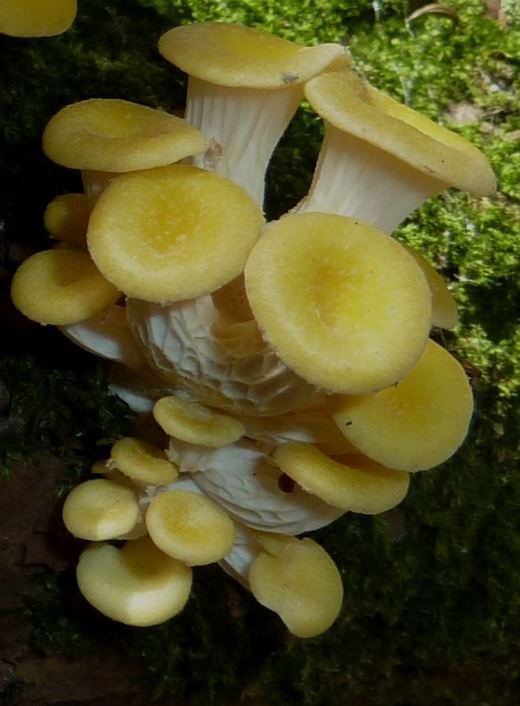 EdibleGolden oyster mushroomPleurotus citrinopileatusGilled mushrooms
 EdibleJelly earAuricularia auricula-judaeJelly fungi
 EdibleMatsutakeTricholoma matsutakeGilled mushrooms
 EdibleNamekoPholiota microsporaGilled mushrooms
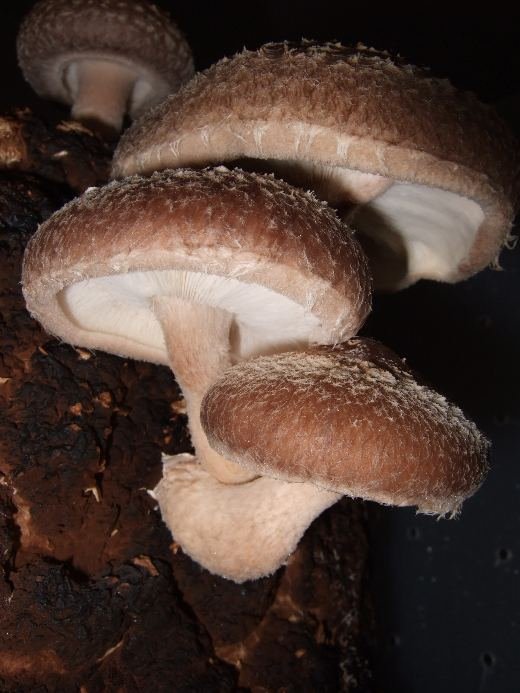 EdibleShiitakeLentinula edodesGilled mushrooms
 EdibleSnow fungusTremella fuciformisJelly fungi
Join the next intake.
Pay in full with a 20% reduction, or reserve your place with 40% and pay the rest in monthly instalments. All prices are stated in pounds sterling (GBP).