

Fungal Conservation & Biodiversity
Why fungi need conservation, how threatened species are assessed, and how habitats and policy can protect fungal diversity.
An overview of what you will study and build.
Fungi are among the least protected groups of living things, even though they underpin forests, grasslands and soils. This course explains why fungi need conservation attention, beginning with their place in global biodiversity and the threats they face from habitat loss, nitrogen pollution, drainage and a changing climate. It then introduces the IUCN Red List process as applied to fungi, the use of indicator species and the concept of Important Fungus Areas.
Recent years have seen fungi recognised more explicitly in conservation strategies, and organisations increasingly need people who can speak for them in planning and policy. The course suits conservationists, ecologists and policy staff who already work on nature but have little fungal background. Practical modules cover habitat management, such as deadwood retention, grassland grazing and protection of old-growth stands, and how fungi are, or are not, covered by current conservation law. In the final project, students prepare a conservation brief for a chosen site or species, setting out its fungal value, key threats and recommended management or policy actions.
6 modules, one growing line of knowledge.
Hover or tap a module to follow the path from the first session to the final project. Open a module to see the topics it covers.
- How many fungi are there
- Fungi in ecosystem function
- The conservation gap for fungi
- Habitat loss and fragmentation
- Nitrogen deposition and pollution
- Climate change pressures
- Red List criteria applied to fungi
- Data sources for assessments
- Writing and reviewing an assessment
- Indicator species for habitat quality
- Important Fungus Areas
- Using indicators in site evaluation
- Deadwood and old-growth retention
- Grassland management for fungi
- Protecting mycorrhizal host trees
- Fungi in international biodiversity frameworks
- National legislation and protected species
- Advocacy and stakeholder engagement
Fungal Conservation & Biodiversity
By the end you will be able to:
- Explain why fungi are under-represented in conservation planning.
- Identify the main threats to fungal populations and habitats.
- Apply IUCN Red List criteria to a fungal species case.
- Use indicator species to evaluate a site's fungal conservation value.
- Draft habitat management and policy recommendations for fungi.
Where this programme sits in the school.
Where this programme can take you.
Roles and uses that build on what you learn here. Outcomes depend on your experience and local market.
- Conservation officer with a fungal focus
- Ecologist in a protected area team
- Policy adviser for biodiversity strategies
- Project coordinator in a conservation NGO
- Species assessor contributing to red lists
Requirements, assessment and certificate.
Admission requirements
No prior mycology is required; a general background in ecology or conservation is helpful.
How you are assessed
Students are assessed through participation in live sessions, module exercises such as a practice Red List assessment and a final brief reviewed by the professor.
Final project
A conservation brief for a chosen fungal site or species with threats and recommended actions.
Certificate
Course Certificate
On completing the programme and its project, Fungaris issues a Course Certificate. Accreditations are assessed according to the training completed and the local regulations of each country.
How the programme grows, phase by phase.
- Fungi in Global Biodiversity
- Threats: Habitat Loss, Pollution and Climate
- IUCN Red List Assessments for Fungi
- Indicator Species and Important Fungus Areas
- Habitat Management for Fungal Conservation
- Fungi in Conservation Policy and Law
Related searches
Questions about this programme
Do I need experience to study Fungal Conservation & Biodiversity?
No prior mycology is required; a general background in ecology or conservation is helpful.
How is Fungal Conservation & Biodiversity taught?
Live online, in 6 modules with a working professional, a small group and a final project.
How am I assessed?
Students are assessed through participation in live sessions, module exercises such as a practice Red List assessment and a final brief reviewed by the professor.
What is the final project?
A conservation brief for a chosen fungal site or species with threats and recommended actions.
What certificate do I get?
On completing the programme and its project, Fungaris issues a Course Certificate. Accreditations are assessed according to the training completed and the local regulations of each country.
What can I study after Fungal Conservation & Biodiversity?
The natural next step is Diploma in Mycorrhizal Agriculture.
Read before you start.

Keep branching.
From our species guide.
 Not a foodAmphibian chytrid fungusBatrachochytrium dendrobatidisOther fungi
 EdibleCaesar's mushroomAmanita caesareaGilled mushrooms
 Not a foodCaterpillar fungusOphiocordyceps sinensisOther fungi
 EdibleCoral tooth fungusHericium coralloidesTooth fungi
 EdibleMarch mushroomHygrophorus marzuolusGilled mushrooms
 EdibleMatsutakeTricholoma matsutakeGilled mushrooms
 EdibleWhite truffleTuber magnatumTruffles
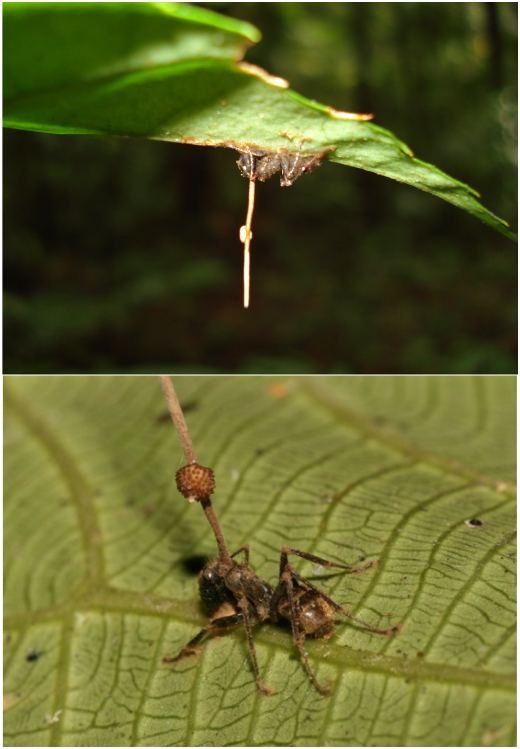 Not a foodZombie-ant fungusOphiocordyceps unilateralisOther fungi
Join the next intake.
Pay in full with a 20% reduction, or reserve your place with 40% and pay the rest in monthly instalments. All prices are stated in US dollars (USD).