

Medicinal Mushrooms: Reviewing the Scientific Evidence
Learn to read, appraise and summarise in vitro, animal and human studies on medicinal mushrooms without overstating their results.
An overview of what you will study and build.
This course teaches you how to read research on medicinal mushrooms with a critical, fair eye. You will learn the hierarchy of evidence and the strengths and weaknesses of different study types, search PubMed and other databases efficiently, appraise in vitro, animal and human studies, and interpret systematic reviews and meta-analyses. The emphasis throughout is on what a study can genuinely support and what it cannot.
The medicinal mushroom literature contains many cell and animal studies, relatively few well-designed human trials, and frequent problems such as poorly characterised test materials. Researchers, health writers, clinicians and product teams are often asked to summarise this evidence, and errors easily become exaggerated claims. The course provides practical appraisal checklists, worked examples and writing techniques for balanced summaries that respect both the science and the rules on health communication. In your final project you will produce a structured evidence summary on one species and one research question, including the search strategy, study appraisal and a clear, non-promotional conclusion.
6 modules, one growing line of knowledge.
Hover or tap a module to follow the path from the first session to the final project. Open a module to see the topics it covers.
- Observational versus experimental studies
- Where mechanistic studies fit
- Evidence grading frameworks
- Building search strings and filters
- Using PubMed, Scopus and trial registries
- Managing references
- Cell models and dose relevance
- Animal models and translation
- Reporting quality in preclinical work
- Randomisation, blinding and controls
- Product characterisation in trials
- Risk-of-bias assessment
- How systematic reviews are built
- Reading forest plots
- Heterogeneity and publication bias
- Structuring an evidence summary
- Language that avoids overstatement
- Peer review of summaries
Medicinal Mushrooms: Reviewing the Scientific Evidence
By the end you will be able to:
- Run reproducible literature searches on medicinal mushroom topics.
- Appraise preclinical studies for relevance and methodological quality.
- Assess risk of bias in human clinical trials.
- Interpret systematic reviews and meta-analyses accurately.
- Write balanced evidence summaries without overstating findings.
Where this programme sits in the school.
Where this programme can take you.
Roles and uses that build on what you learn here. Outcomes depend on your experience and local market.
- Scientific affairs officer at a supplement company
- Health or science writer specialising in natural products
- Research assistant in nutrition or mycology projects
- Evidence reviewer supporting claims and compliance teams
- Clinician building an evidence-aware view of mushroom products
Requirements, assessment and certificate.
Admission requirements
No prior research training is required, though comfort with reading scientific English is helpful.
How you are assessed
Progress is assessed through participation in live sessions and module exercises such as search tasks and study appraisals. The final evidence summary is reviewed by the professor.
Final project
A structured evidence summary on one species and research question, with search strategy and study appraisal.
Certificate
Course Certificate
On completing the programme and its project, Fungaris issues a Course Certificate. Accreditations are assessed according to the training completed and the local regulations of each country.
How the programme grows, phase by phase.
- The Hierarchy of Evidence and Study Types
- Searching PubMed and Other Databases
- Appraising In Vitro and Animal Studies
- Appraising Human Clinical Trials
- Systematic Reviews and Meta-Analyses
- Writing Balanced Evidence Summaries
Related searches
Questions about this programme
Do I need experience to study Medicinal Mushrooms: Reviewing the Scientific Evidence?
No prior research training is required, though comfort with reading scientific English is helpful.
How is Medicinal Mushrooms: Reviewing the Scientific Evidence taught?
Live online, in 6 modules with a working professional, a small group and a final project.
How am I assessed?
Progress is assessed through participation in live sessions and module exercises such as search tasks and study appraisals. The final evidence summary is reviewed by the professor.
What is the final project?
A structured evidence summary on one species and research question, with search strategy and study appraisal.
What certificate do I get?
On completing the programme and its project, Fungaris issues a Course Certificate. Accreditations are assessed according to the training completed and the local regulations of each country.
What can I study after Medicinal Mushrooms: Reviewing the Scientific Evidence?
The natural next step is Diploma in Functional & Medicinal Mushrooms.
Read before you start.
Keep branching.
From our species guide.
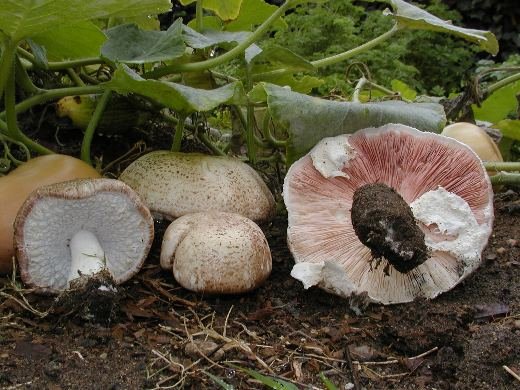 EdibleAlmond mushroomAgaricus subrufescensGilled mushrooms
 Not a foodCaterpillar fungusOphiocordyceps sinensisOther fungi
 Not a foodChagaInonotus obliquusPolypores and brackets
 EdibleLion's maneHericium erinaceusTooth fungi
 EdibleMaitakeGrifola frondosaPolypores and brackets
 Not a foodReishiGanoderma lingzhiPolypores and brackets
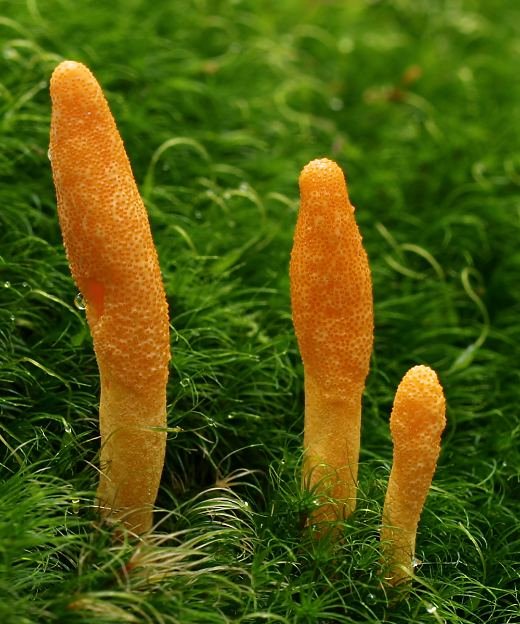 Edible with cautionScarlet caterpillar clubCordyceps militarisOther fungi
 Not a foodTurkey tailTrametes versicolorPolypores and brackets
Join the next intake.
Pay in full with a 20% reduction, or reserve your place with 40% and pay the rest in monthly instalments. All prices are stated in US dollars (USD).